
LED portable work lights are rugged, mobile lighting systems designed to provide temporary illumination in environments where permanent lighting infrastructure is unavailable or insufficient. These lights are commonly used across construction sites, maintenance operations, emergency response environments, and industrial facilities where reliable task lighting is required.
Unlike fixed lighting installations, portable work lights can be easily transported, repositioned, and deployed in changing work environments. Their durability, energy efficiency, and high light output make them ideal for demanding jobsite conditions.
Portable lighting solutions fall within a broader category of specialty LED lighting systems designed for unique and high-performance applications.
Portable Construction Work Lights
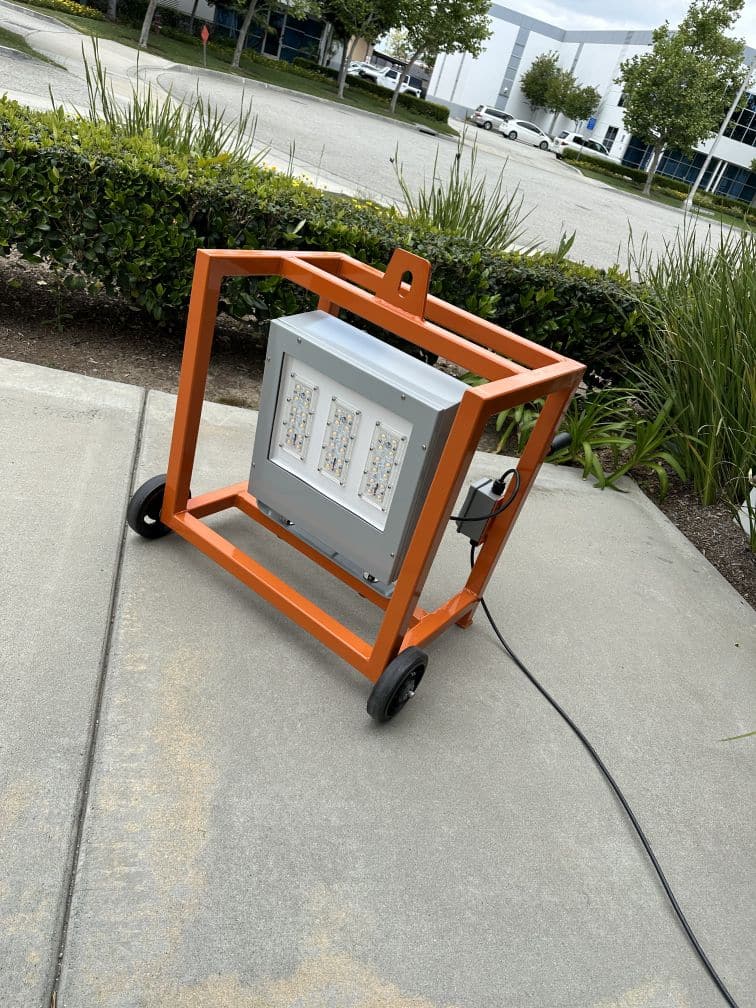
CL-3040 Temporary Work Light
Brand: Crystal
Square 22″ LED shoebox in a cart. road works, construction up to 20,200 lumens; 60/80/100/120/130W;
Prices start at $1300.
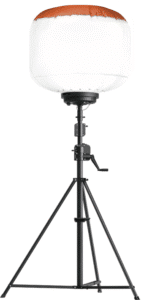
YXR-BL
Brand: Huivolt
LED Balloon Light
high impact lighting of mine-haul road intersections, road works, construction up to 224,000 lumens; From 60W to 1400W; Prices start at $400.
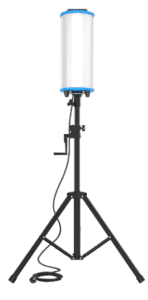
YL-WL
Brand: Youlumi
LED Balloon Light
high impact lighting of mine-haul road intersections, road works, construction up to 27,500 lumens; 80/120/220W; Prices start at $400.
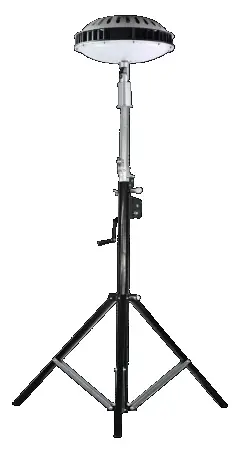
YL-MD
Brand: You Lumi
LED Mobile Disk
features a 100 degree beam angle; 39,000 lumens; ideal solution for large outdoor event; 300W; Prices start at $300.
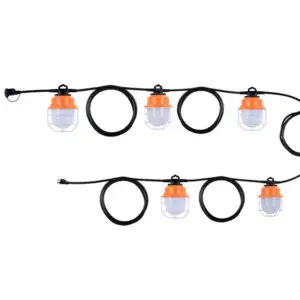
YL-HA11
Brand: You Lumi
Construction Work Lights; LED linkable string lights;
Ideal for tunnel, maintenance, underground; line length between the two lamps is 3M;
5 lamp (52ft) and 10 lamp (102ft) strings; Prices start at $200.
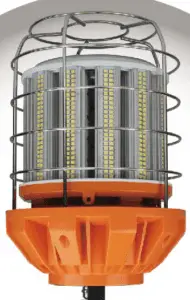
YL-W18
Brand: You Lumi
Work lamps for temporary lighting; Plug power cord into built-in socket to form a string light; up to 21,750 lumens
80/100/120/150W;
Prices start at $200.
What Are LED Portable Work Lights?
LED portable work lights are mobile luminaires designed to provide temporary or task-oriented illumination in locations where permanent lighting systems are not available.
These lighting systems are typically mounted on:
• portable stands
• tripods
• wheeled light towers
• handheld frames
• magnetic mounts
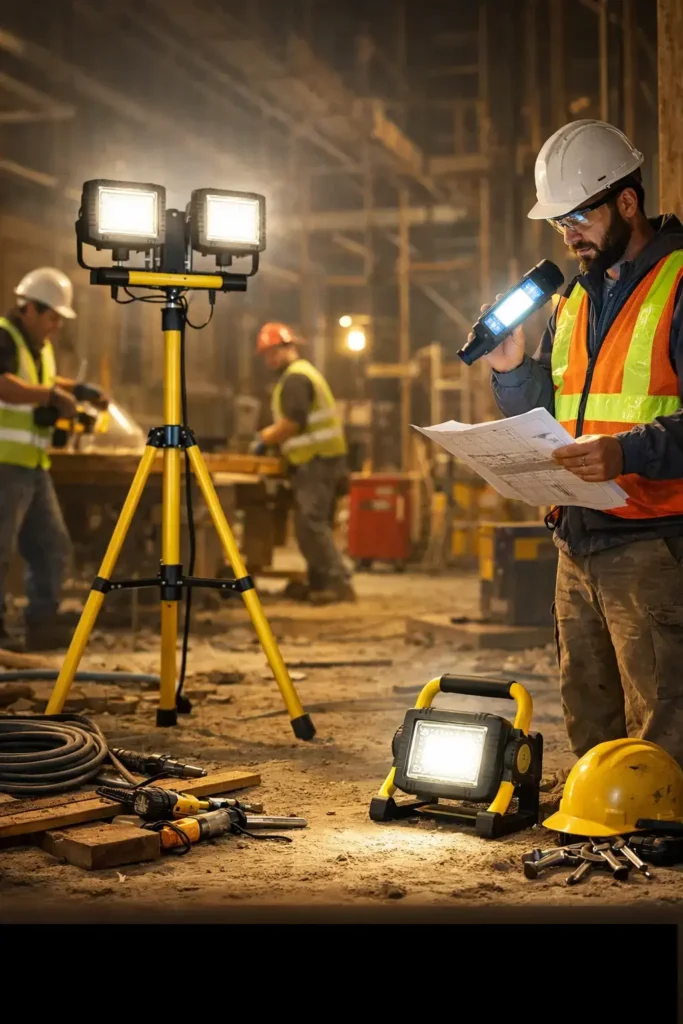
Portable work lights provide focused illumination for tasks requiring clear visibility, particularly in environments such as construction zones, equipment maintenance areas, and emergency response locations.
Temporary lighting is essential for maintaining safe and productive jobsites. Our Construction Site Lighting Guide explains how to select LED work lights, portable flood lights, and temporary lighting systems for commercial construction projects.
How Portable Work Lights Work
Portable work lights combine high-output LED modules with durable housing systems designed for mobility and environmental protection.
Key components include:
High-Output LED Modules
LED emitters provide powerful illumination while maintaining high energy efficiency.
Durable Housing Construction
Work lights are typically built with rugged aluminum housings and protective lenses to withstand jobsite conditions.
Portable Mounting Systems
Tripods, handles, and mounting brackets allow the lights to be easily repositioned.
Electrical Power Options
Portable lights may operate using standard AC power, rechargeable batteries, or generator connections.
Commercial LED work lights not only provide exceptional portability but also produce significantly more usable light while consuming less electricity than older halogen fixtures.
Learn how to evaluate fixture performance in our Lumens Per Watt Explained: Measuring Commercial Lighting Efficiency guide.
Key Features of LED Portable Work Lights
Modern work lighting systems incorporate features designed to support professional environments.
High Lumen Output
Work lights provide bright illumination that improves visibility in low-light environments.
Energy Efficiency
LED lighting consumes significantly less energy than traditional halogen work lights.
Impact Resistance
Heavy-duty housings protect lights from jobsite impacts and environmental exposure.
Adjustable Positioning
Articulating mounts and tripod stands allow precise light placement.
Long Service Life
LED systems provide long operational lifespans, often exceeding 50,000 hours.
Common Applications
LED portable work lights are widely used across many industries.
Construction Sites
Temporary lighting improves visibility for nighttime or indoor construction projects.
Industrial Maintenance
Maintenance crews use portable lights when servicing equipment or machinery.
Emergency Response
Rescue and disaster response teams rely on portable lighting during nighttime operations.
Infrastructure Inspection
Portable lights assist technicians performing inspections in tunnels, utility vaults, and confined spaces.
Temporary Event Lighting
Events and outdoor gatherings may use portable lighting systems to illuminate temporary venues.
Portable LED work lights are also useful for aircraft hangar maintenance and inspection, providing supplemental illumination beneath wings, around landing gear, inside equipment compartments, and in areas obstructed from overhead high bay lighting.
LED Work Light Technology Comparison
| Feature | LED Work Lights | Halogen Work Lights |
|---|---|---|
| Energy Efficiency | High | Low |
| Heat Generation | Low | Very High |
| Service Life | 50,000+ hours | 2,000 hours |
| Durability | High | Moderate |
| Maintenance | Minimal | Frequent bulb replacement |
LED work lights offer improved durability, efficiency, and lifespan compared with traditional halogen lighting technologies.
Installation and Deployment Considerations
Portable lighting systems are designed for rapid deployment in changing work environments.
Mounting Options
Tripods, stands, or magnetic mounts provide flexible installation options.
Power Availability
Lighting systems should be compatible with available power sources including generators or portable battery packs.
Work Area Coverage
Multiple lights may be deployed across large job sites to maintain consistent illumination.
Environmental Conditions
Outdoor work environments may require weather-resistant housings and sealed electrical components.
Performance Considerations
Selecting the appropriate portable lighting system requires evaluating operational requirements.
Important factors include:
• required lumen output
• coverage area
• power source availability
• environmental exposure
• portability and mounting options
Proper lighting improves jobsite safety and task performance while reducing worker fatigue.
Inline Buyer Q&A
How do I choose the right portable LED work light?
Start with the work being performed and the environment where the light will operate.
Consider the size of the work area, required illumination, fixture output and distribution, available power, desired runtime, mounting or positioning options, portability, temperature, moisture and dust exposure, and how frequently the light will be moved.
A small task light and a portable fixture intended to illuminate a large construction work zone have very different requirements.
How much light output do I need for a jobsite or work area?
There is no universal lumen requirement for portable work lighting.
The amount of light needed depends on the task, size and shape of the work area, mounting or placement, beam distribution, surrounding conditions, and required illumination at the work surface.
For larger work zones, fixture placement and distribution can be just as important as total lumen output.
Should I choose a corded or battery-powered work light?
Corded lights can be useful for extended operation where reliable electrical power is readily available.
Battery-powered lights provide greater mobility and can be useful where outlets are unavailable, cords would interfere with work, or the fixture needs to be moved frequently.
Battery runtime, charging time, output settings, and the length of the work period should be considered when selecting a cordless system.
What mounting options are useful for portable work lights?
The appropriate mounting system depends on the task.
Portable fixtures may use floor stands, tripods, magnetic mounts, hooks, clamps, handles, or other positioning systems.
A good mounting arrangement should allow the fixture to direct useful illumination toward the work area while remaining stable and minimizing unnecessary glare.
Can portable work lights be used outdoors?
Yes, when the complete fixture and associated equipment are rated for the expected environment.
Rain, moisture, dust, temperature, impact, cords, connectors, and electrical conditions should all be considered.
An IP rating describes specific levels of ingress protection and should be matched to the installation rather than assuming that every portable LED work light is suitable for outdoor exposure.
What information should I provide when selecting portable work lights?
Useful information includes:
- Type of work being performed
- Indoor or outdoor use
- Approximate work-area dimensions
- Required or desired illumination
- Available voltage or power source
- Corded or battery preference
- Required battery runtime
- Temporary or recurring use
- Desired mounting or positioning method
- Moisture, dust, or weather exposure
- Temperature range
- Impact or rough-service conditions
- Number of fixtures required
- Photographs or drawings when available
These details help match the portable lighting system to the work environment.
Bring the Right Light Directly to the Work Area
Portable LED work lighting should provide useful illumination where permanent fixtures are unavailable, insufficient, or impractical.
Output, beam distribution, power source, runtime, mounting, portability, environmental exposure, and working conditions should all be considered when selecting equipment.
Our lighting specialists can help evaluate portable LED lighting for construction, industrial maintenance, repair operations, temporary work zones, municipal projects, emergency operations, and other demanding applications.
Call 1-844-533-7767 to discuss your portable work-lighting requirements.
Frequently Asked Questions About LED Portable Work Lights
What are LED portable work lights used for?
Portable LED work lights provide temporary or movable illumination for construction, maintenance, repair, inspection, industrial operations, emergency work, temporary work zones, and other applications where permanent lighting is unavailable or does not adequately illuminate the task.
How many lumens do I need for a jobsite?
There is no single lumen range appropriate for every jobsite.
Required output depends on the task, work-area dimensions, fixture placement, beam distribution, mounting height, surrounding conditions, and required illumination at the work surface.
For larger or more complex temporary work areas, multiple properly positioned fixtures may provide better coverage than one extremely high-output fixture.
Are LED portable work lights better than halogen work lights?
LED work lights can offer important advantages compared with many traditional halogen work lights, including lower energy consumption for comparable applications, reduced radiant heat, longer lamp or light-source service intervals, and more control over fixture size and light distribution.
Actual performance depends on the products being compared.
Do LED work lights produce heat?
Yes.
LED fixtures generate heat even though they generally produce less radiant heat toward the illuminated area than traditional halogen work lights.
Thermal management remains important to LED performance and service life.
Can portable work lights be used outdoors?
Yes, when the equipment is rated for the expected outdoor conditions.
Verify the fixture’s environmental ratings and consider exposure to rain, moisture, dust, temperature, wind, impact, and other jobsite conditions.
Cords, plugs, connectors, batteries, and accessories should also be appropriate for the application.
What does an IP rating mean on a portable work light?
An IP rating describes specified levels of protection against intrusion by solid objects and water.
Different work environments can require different levels of protection.
An IP rating should not be interpreted as a universal statement that a fixture is appropriate for every outdoor, wet, washdown, or hazardous environment.
Are battery-powered portable work lights reliable?
They can be when selected for the required task and operating time.
Battery-powered lights provide cord-free mobility, but runtime depends on battery capacity, fixture load, output setting, temperature, battery condition, and system design.
For extended work periods, charging capability or additional batteries may need to be considered.
How long do rechargeable work lights operate on a charge?
Runtime varies significantly by product and operating mode.
Battery capacity, fixture wattage, selected output level, temperature, battery age, and controls all affect operating time.
Use manufacturer runtime specifications for the particular fixture and output setting being considered.
Are corded work lights better for long-duration projects?
They can be advantageous where continuous electrical power is available and the fixture will remain in approximately the same location.
Battery systems may provide greater flexibility where mobility is more important.
The better option depends on power availability, operating duration, movement, cord management, and worksite conditions.
Can portable work lights be mounted on tripods?
Many portable work lights are available with tripod or stand-mounting options.
Elevating the fixture can increase the area reached by the light, but output, distribution, stability, glare, shadows, and working conditions should be considered when positioning it.
Can portable work lights be used for construction sites?
Yes.
Portable lighting is commonly used for temporary construction illumination, task lighting, interior build-outs, maintenance, repair, and changing work zones.
Lighting equipment should be selected according to the work being performed, environmental conditions, power availability, mounting, and applicable jobsite requirements.
Can portable work lights be used for industrial maintenance?
Yes.
Portable fixtures can provide localized illumination around machinery, equipment, mechanical rooms, service areas, shutdown projects, and other maintenance environments.
Special operating conditions should be identified before selecting equipment.
Are standard portable work lights suitable for hazardous locations?
Not unless the equipment is specifically rated and approved for the hazardous location involved.
A general industrial, outdoor, or IP rating does not establish suitability for an area involving flammable gases, vapors, combustible dust, or other classified hazards.
The required hazardous-location classification and applicable approvals should be determined before selecting lighting equipment.
Can portable LED work lights replace permanent lighting?
They are generally intended to supplement or temporarily provide illumination rather than automatically replace a properly designed permanent lighting system.
The appropriate approach depends on the duration of use, work being performed, facility requirements, and applicable project or workplace requirements.
How long do portable LED work lights last?
LED light sources can operate for tens of thousands of hours, but complete fixture life depends on the LEDs, driver or electronics, battery where applicable, thermal management, cords and connectors, environmental exposure, physical handling, and other components.
Manufacturer specifications should be reviewed for the particular product.
Stay Connected with Our Lighting Resources
Add IndustrialLightingFixtures.org as a Preferred Source on Google to see more of our lighting guides and technical resources across Google Search experiences.

Related Portable and Specialty Lighting Resources
- Commercial LED Work Lights Guide — Learn how to select work lighting for construction, industrial maintenance, emergency response, temporary work zones, municipal projects, and other professional applications.
- Specialty Lighting — Explore specialized LED lighting systems for portable, marine, environmental, horticultural, and other demanding applications.
- LED Searchlights — Review high-intensity directional lighting for industrial, marine, security, search-and-rescue, and long-distance illumination applications.
- LED Above-Water Fishing Lights — Explore portable and permanently mounted above-water lighting for docks, piers, marinas, and nighttime fishing applications.
- Industrial Lighting Guide — Review fixture selection, environmental conditions, mounting, illumination, controls, and other considerations for industrial lighting projects.