
LED Architectural Indoor Lighting Overview
LED architectural indoor lighting integrates illumination directly into the design of a building’s interior to enhance visual aesthetics, highlight architectural features, and support the functional use of commercial spaces. Rather than serving only as general illumination, architectural lighting works as part of the building design itself, shaping how occupants experience a space.
As part of a comprehensive Indoor LED Lighting Solutions strategy, architectural lighting systems are used in offices, retail environments, hospitality spaces, lobbies, and public buildings to create visual interest while maintaining efficient illumination.
Modern LED architectural fixtures provide designers with flexible options for recessed lighting, linear lighting, wall washing, and accent illumination, allowing lighting to become an integrated element of the overall architectural design. Well-planned architectural lighting can highlight structural elements, improve spatial perception, and influence the mood and functionality of interior environments.
Architectural lighting is often integrated with other interior illumination systems such as recessed downlights, ceiling lights, and linear lighting. For a broader overview of interior fixture types and lighting design strategies, see our Indoor LED Lighting Guide.
LED Architectural Indoor Lighting
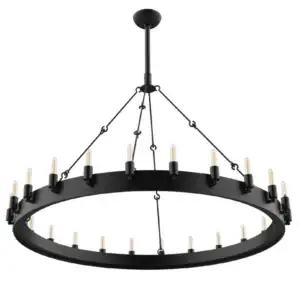
CHDL-1000 Chandeliers
Brand Crystal Lighting
Round architectural decorative sophisticated lighting; Hotels, Residential, Restaurants, Bars, and other indoor areas; 24/36/48/60″; Prices start at $1500.
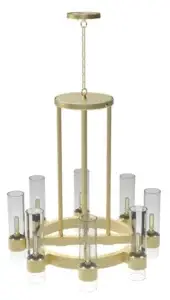
CHDL-2000 Chandeliers
Brand Crystal Lighting
Tall architectural decorative sophisticated lighting; Hotels, Residential, Restaurants, Bars, and other indoor areas; 24/36/48/60/70″; Prices start at $2200.
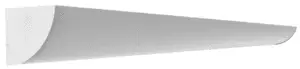
LSC
Brand ATG
Stairwell LED Curved Fixture; curved design for stairwells, passageways and hallways; 2ft and 4ft lengths;
Selectable wattages and CCT; Up to 5,538 lumens; Prices start at $125.

LSW
Brand ATG
Stairwell Linear Fixture; 2ft, 4ft, 8ft lengths; selectable Wattage and CCT; Up to 11,406 lumens;
Prices start at $135.
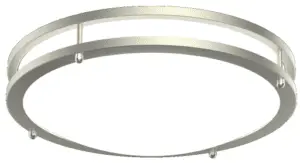
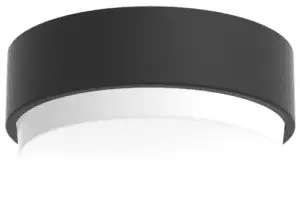
CL03
Brand Ledsion
Round Ceiling LED Light;slim profile design, 14 Inch and 16 Inch;
Selectable CCT; Prices start at $145.
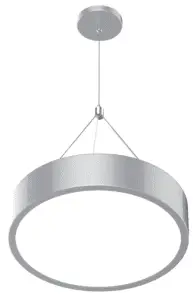
CL-3052
Brand: Crystal
versatile round luminaire; ideal for indoor shopping areas, offices, and restaurants; 16″ and 13″ diameter; ceiling mount with aircraft cable; 10/20/30W; Prices start at $300.
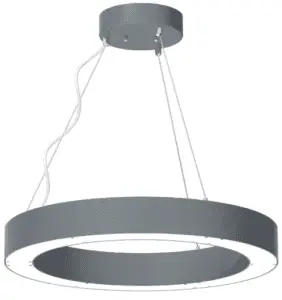
CLH-3052
Brand: Crystal
available in three different sizes (18″- 24″- 48″) and in multiple finishes; Offices, Restaurants, Indoor Shopping Areas, Opal Acrylic Lens (Standard);
Ceiling Mount; Pendant Mount;
Aircraft Cable; 50/150/200W;
Prices start at $300.
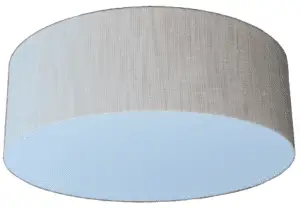
CL-RNG
Brand: Crystal
ultramodern ring chandeliers with uplight/downlight feature; for modern offices, libraries; 24″, 36″ and 48″ diameter; ceiling mount with aircraft cable; 12/25/35/45/55/65W;
Prices start at $1400.
CL-DRUM
Brand: Crystal
retro drum pendant in 3 different
sizes – 15″ 24″ 36″ – multiple finishes; ideal for upscale residential homes, indoor shopping areas, modern offices, restaurants surface mount and ceiling mount with aircraft cable; 15/25/55W;
Prices start at $500.
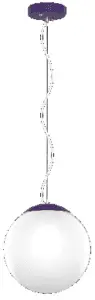
CL-3050
Brand: Crystal
architectural globe suspended Opal Acrylic Globe / Aluminum Cap and Canopy; Aircraft Cable; Public Buildings, Shopping Plazas, Restaurants; ceiling mount with
aircraft cable; 15/25/35W;
Prices start at $400.
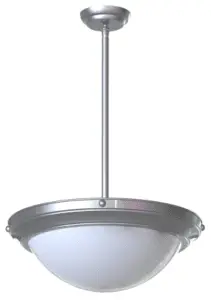
CLH-4011
Brand: Crystal
architectural dome suspended pendant lights, Opal Acrylic dome with an aluminum ring; 3 different sizes – 20″ 30″ 45″ pendant mount and aircraft cable; 55/155/205W; Prices start at $400.
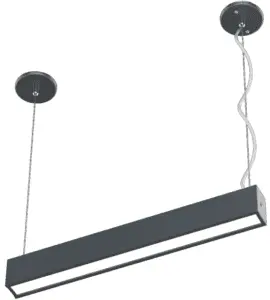
CL-1STIX
Brand: Crystal
architectural linear suspended pendants, contemporary slim profile with uplight/downlight feature;
modern offices, libraries 24″, 36″ and 48″ lengths; ceiling mount with aircraft cable; 10/25/35/45/55/65W;
Prices start at $195.
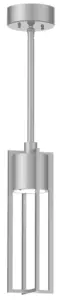
CL-164
Brand: Crystal
architectural linear suspended chandeliers; decorative, luminaire; modern office foyer, hallways, corridors; pendant mount; 12″, 14″ and 18″ lengths; 10/15/20/25/35/40/45W;
Prices start at $500.
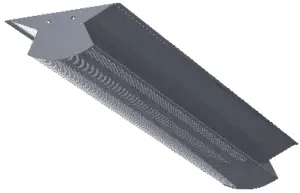
CL-3060
Brand: Crystal
Bathrooms, Hallways, or Powder Rooms. 4ft interior lighting; Ceiling
Mount, Perforated Mesh; Multiple Finishes; 15/25W; Prices start at $400.
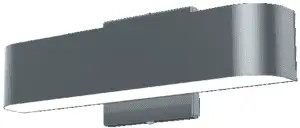
CL-3061
Brand: Crystal
Bathrooms, Hallways, or Powder
Rooms; 18″ – Frosted Acrylic Lens
Mounting: Over 4″ J” Box; Multiple
Finishes; 15/25W; Prices start at $400.
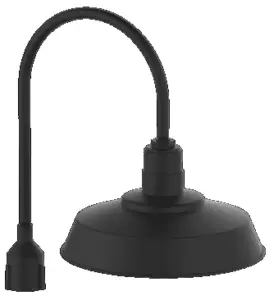
RLM
Brand: Crystal
Barn Light, Vintage style
architectural indoor/outdoor
LED luminaire with different
shades (classic, barn, slanted),
Pendant or 4 different arm mounts;
10/20/30W; Prices start at $450.
What Is LED Architectural Indoor Lighting?
LED architectural indoor lighting refers to lighting systems designed to complement and enhance the structural and aesthetic elements of interior architecture. Rather than focusing solely on brightness, architectural lighting strategically shapes how a space looks and feels by directing light toward key design elements such as ceilings, walls, columns, and decorative features.
This approach combines principles from architecture, interior design, and lighting engineering to create environments that are both functional and visually compelling. Architectural lighting often blends ambient illumination, accent lighting, and indirect lighting techniques to achieve balanced interior illumination.
By integrating LED technology with architectural design, lighting systems can emphasize spatial form, guide movement through interior spaces, and establish the visual identity of a building.
Architectural lighting enhances the appearance of commercial interiors, but upgrading the primary lighting system often delivers the greatest operational benefits.
Explore Why Businesses Are Upgrading to Commercial LED Ceiling Lights to see how LED technology improves efficiency, reduces maintenance, and creates brighter, more productive spaces.
Common Types of Architectural Indoor Lighting
Recessed Downlights
Recessed fixtures provide clean ceiling integration and are commonly used for general illumination in offices, conference rooms, and lobbies.
Linear Architectural Lighting
Linear LED luminaires are often installed along ceilings, walls, or coves to create continuous light lines that highlight architectural geometry.
Wall Washing Lighting
Wall washing fixtures evenly illuminate vertical surfaces, helping rooms appear brighter and emphasizing textures, artwork, or architectural details.
Cove Lighting
Cove lighting uses concealed light sources within ceiling recesses or architectural ledges to create soft indirect illumination and enhance ceiling features.
Pendant Architectural Fixtures
Pendant lighting provides both functional illumination and decorative focal points in spaces such as lobbies, reception areas, and hospitality environments.
In many commercial environments, architectural lighting is combined with LED troffer lighting fixtures to provide uniform illumination across office ceilings, conference rooms, and educational facilities.
Key Benefits of LED Architectural Lighting
Enhanced Interior Design
Architectural lighting emphasizes structural details such as columns, ceilings, walls, and textures, improving the overall visual impact of interior spaces.
Energy Efficiency
LED lighting provides high lumen output with lower energy consumption and longer operational life compared to traditional lighting technologies.
Flexible Lighting Control
Architectural lighting systems often incorporate dimming, programmable controls, and smart lighting systems that adapt illumination to different activities.
Improved Spatial Perception
Strategically placed lighting can make spaces appear larger, brighter, and more visually balanced by highlighting vertical surfaces and architectural lines.
Typical Commercial Applications
LED architectural indoor lighting is widely used in:
• Office lobbies and reception areas
• Corporate headquarters and conference rooms
• Retail stores and showrooms
• Hotels and hospitality spaces
• Museums and galleries
• Restaurants and entertainment venues
• Universities and public buildings
Architectural lighting helps define the visual identity of these environments while supporting practical illumination needs.
Space Function vs Fixture Strategy Table
| Space Type | Fixture Style | Design Focus |
|---|---|---|
| Lobby | Cove & pendant | Visual impact + ambient comfort |
| Retail | Adjustable accent | Product emphasis |
| Office | Recessed / linear | Glare-controlled task lighting |
| Gallery | Track & accent | Exhibit precision |
| Hospitality | Architectural pendant | Mood + ambience |
CCT & CRI Design Guide
| Environment | Preferred CCT | Typical CRI | Rationale |
|---|---|---|---|
| Office | 3500–4100K | ≥80 | Balanced comfort + visibility |
| Retail | 3000–4000K | ≥90 | High color fidelity |
| Hospitality | 2700–3500K | ≥80 | Warm, inviting ambience |
| Gallery & Art | 3000–4500K | ≥90+ | True rendering of materials |
Designer Considerations
-
Integration with architectural features
-
Linearity and visual continuity
-
Color consistency across spaces
-
Visual hierarchy and accenting
-
Minimizing shadows and contrast mismatch
Technical Specification Overview
| Specification | Typical Range |
|---|---|
| Wattage | 8W – 60W |
| Voltage | 120-277V |
| Lumen Output | 800 – 6000 lumens |
| Color Temperature | 2700K / 3000K / 3500K / 4000K |
| CRI | 80+ / 90+ |
| Mounting | Recessed / Surface / Suspended |
| Controls | Dimming / 0-10V / DALI / Smart Controls |
| Lifespan | 50,000+ hours |
Inline Buyer Q&A
How do I choose architectural lighting for a commercial interior?
Start with the architecture and how the space will be used.
Consider the surfaces or features to be illuminated, ceiling height and construction, room dimensions, visual tasks, desired atmosphere, fixture visibility, beam distribution, color temperature, color rendering, dimming, controls, and required general illumination.
Architectural lighting should support both the visual character and functional requirements of the space.
Should architectural lighting provide the general illumination or be layered with other fixtures?
Either approach can be appropriate.
Some architectural fixtures can provide much of a space’s general illumination, while other designs combine recessed downlights, linear lighting, wall washing, pendants, cove lighting, or decorative fixtures to create multiple layers of light.
The appropriate strategy depends on the architecture, visual tasks, desired appearance, and lighting requirements of the space.
What is the difference between wall washing and wall grazing?
Wall washing is generally used to illuminate a vertical surface relatively evenly, helping create a bright and visually open appearance.
Wall grazing places light closer to the surface and at a steeper angle to emphasize texture, depth, and architectural details.
Fixture placement, beam distribution, setback, surface material, and mounting conditions all influence the final effect.
How important are CRI and color temperature in architectural lighting?
Both can significantly affect how an interior appears.
Color temperature influences the perceived warmth or coolness of the environment, while color-rendering characteristics influence how finishes, furnishings, merchandise, artwork, and other materials appear under the lighting.
The appropriate combination depends on the application and design objectives rather than one universal specification.
Can architectural LED lighting use dimming and programmable controls?
Many architectural LED fixtures can be specified with dimming or integrated into compatible lighting-control systems.
Depending on the equipment, projects may incorporate scene control, scheduling, occupancy sensing, daylight-responsive control, tunable white, or color-changing systems.
Fixture, driver, and control compatibility should be established during system design.
Should architectural indoor lighting be evaluated with a lighting layout?
For larger or design-sensitive interiors, lighting calculations, photometric analysis, mockups, or other design evaluation can help determine fixture placement, beam distribution, illumination, uniformity, and the appearance of illuminated surfaces.
Architectural projects can also benefit from evaluating how different fixture types work together rather than designing each lighting layer independently.
Need Help Selecting Architectural Indoor LED Lighting?
Architectural lighting requires coordination between the lighting equipment, interior architecture, visual tasks, finishes, and desired atmosphere.
Whether you’re designing an office lobby, retail environment, hospitality property, corporate interior, gallery, conference facility, or other commercial space, our lighting specialists can help evaluate fixture types, distributions, color characteristics, controls, and lighting-layout requirements.
Call 1-844-533-7767 to discuss your architectural indoor-lighting project.
FAQs About Architectural Indoor Lighting
What is architectural indoor lighting?
Architectural indoor lighting is lighting intentionally integrated with the design and function of an interior space.
It can provide general illumination while also emphasizing ceilings, walls, columns, textures, displays, circulation areas, and other architectural features.
The objective is to coordinate light with the architecture rather than treating fixture selection as an independent element.
Where is architectural LED indoor lighting commonly used?
Architectural indoor lighting is commonly used in environments where appearance, atmosphere, and visual presentation are important, including:
- Office lobbies and reception areas
- Retail stores and showrooms
- Hotels and hospitality venues
- Restaurants and entertainment spaces
- Corporate offices and conference rooms
- Museums and galleries
Different areas within the same property may use different architectural lighting techniques and fixture types.
What types of fixtures are used in architectural indoor lighting?
Architectural lighting can incorporate:
- Recessed LED downlights
- Linear LED systems
- Wall-wash and grazing fixtures
- Cove lighting
- Pendant luminaires
- Track or accent lighting
- Decorative architectural fixtures
Multiple fixture types can be combined to provide ambient, accent, task, and vertical illumination within the same space.
What color temperature is best for architectural indoor lighting?
There is no single color temperature appropriate for every architectural interior.
Warmer color temperatures such as 2700K and 3000K are often considered where a warmer atmosphere is desired. 3000K, 3500K, and 4000K can all be appropriate in different commercial environments depending on the architecture, materials, visual tasks, daylight, and desired appearance.
Consistency between visually connected spaces should also be considered.
Why is LED technology widely used for architectural lighting?
LED technology provides designers with compact light sources, multiple optical distributions, dimming capabilities, a broad range of color temperatures and color-rendering options, and opportunities for linear, recessed, concealed, and other integrated fixture designs.
LED systems can also reduce energy and maintenance requirements compared with many older lighting technologies when appropriately selected for the application.
How does architectural lighting improve interior spaces?
Architectural lighting can emphasize form, texture, materials, artwork, merchandise, circulation paths, and focal points while helping establish the visual hierarchy and atmosphere of an interior.
It can also support branding and wayfinding when these elements are intentionally incorporated into the lighting design.
What is layered lighting?
Layered lighting combines different types or distributions of light to serve multiple purposes within a space.
A commercial interior might combine general ambient illumination with recessed downlighting, wall washing, decorative fixtures, linear lighting, or accent lighting. Each layer contributes to the overall visual and functional environment.
Can architectural lighting be used in offices?
Yes. Architectural lighting can be incorporated into reception areas, conference rooms, executive spaces, collaboration areas, corridors, feature walls, and general office environments.
The design should balance architectural objectives with visual comfort, task requirements, glare control, controls, and appropriate illumination.
Can architectural indoor lighting be color-changing?
Yes. Some architectural LED systems use RGB, RGBW, tunable-white, or other controllable technologies to create dynamic or adjustable lighting effects.
These systems can be useful for hospitality, entertainment, retail, event, branding, and feature-lighting applications. The appropriate controls and system architecture depend on the project.
Stay Connected with Our Lighting Resources
Add IndustrialLightingFixtures.org as a Preferred Source on Google to see more of our lighting guides and technical resources across Google Search experiences.

Related Architectural & Indoor Lighting Resources
- Commercial Recessed Downlights — Explore recessed LED downlighting for lobbies, conference rooms, retail spaces, corridors, hospitality environments, and other design-oriented commercial interiors.
- LED Linear Strip Lights — Review linear LED lighting solutions for continuous illumination, architectural ceiling applications, corridors, workspaces, and commercial interiors.
- Commercial LED Ceiling Lights — Explore the broader commercial ceiling-lighting category and fixture options for general overhead illumination.
- Indoor Lighting — Explore the complete indoor-lighting pillar covering commercial, institutional, industrial, and specialized interior applications.
- DMX512 Architectural Lighting Guide — Learn how DMX512 controls can be used with compatible RGBW architectural lighting systems for dynamic color and programmable lighting applications.