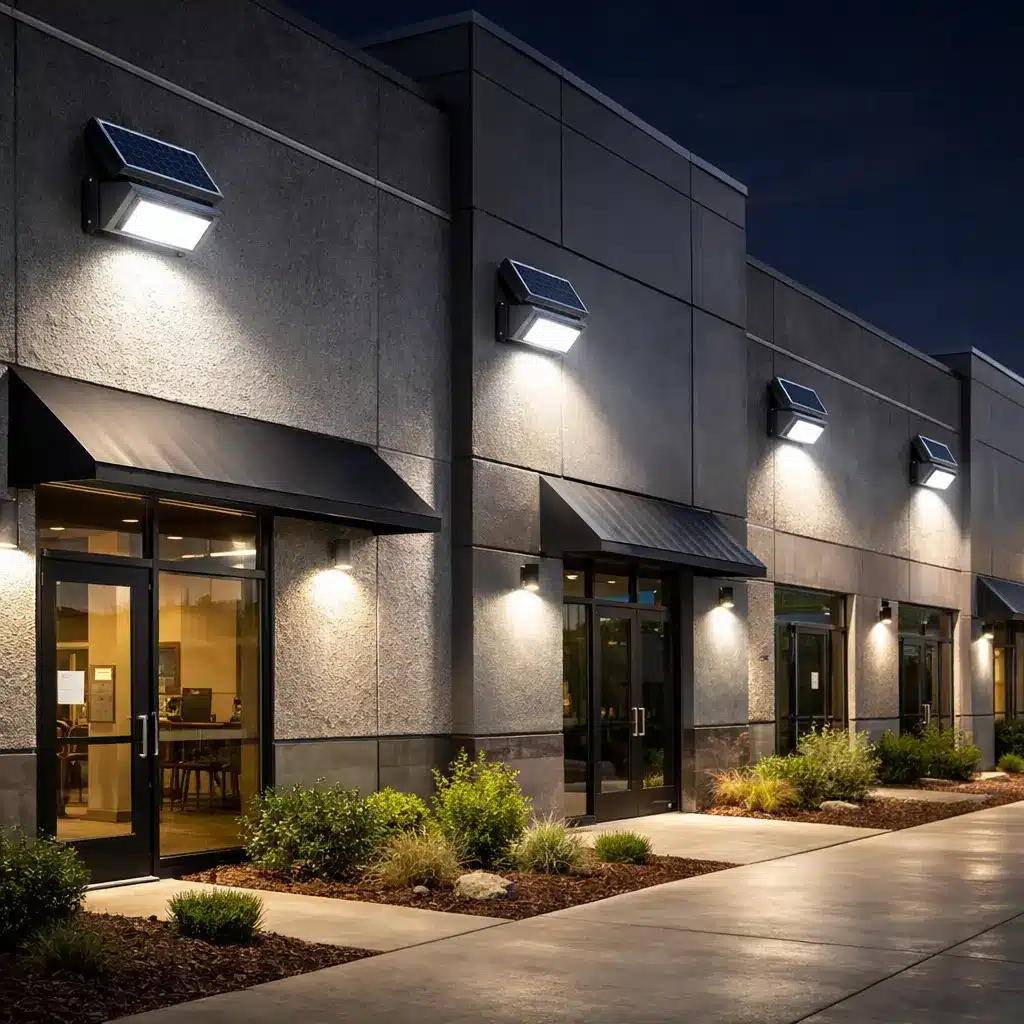
Solar wall pack lights provide reliable exterior building illumination without requiring electrical wiring or grid power connections. These self-contained lighting systems combine photovoltaic solar panels, energy-efficient LED luminaires, and rechargeable battery storage to deliver dependable nighttime lighting for building entrances, walkways, loading areas, and facility perimeters.
Unlike traditional wall pack lighting that requires electrical infrastructure and trenching, solar wall pack lights operate independently by collecting solar energy during daylight hours and storing it in onboard batteries. At night, the stored energy powers LED fixtures that illuminate surrounding areas and improve visibility around building exteriors.
Solar wall pack lighting is commonly used in warehouses, retail buildings, storage facilities, schools, hospitals, and commercial properties where reliable security lighting is needed but installing electrical infrastructure may be costly or impractical.
For a broader overview of off-grid solar lighting technologies and infrastructure applications, explore our Solar Lighting Systems resource.
Solar Wall Pack Lights
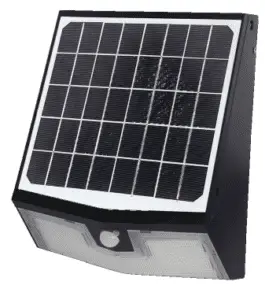
Solar Wall Lights – Solport
Brand: Soltech
features an integrated design, with the solar panel and battery built into the LED fixture; all-in-one; the hinged feature allows the solar panel adjustment for maximum sunlight and to aim the wall pack at a specific area; 10″ compact size; 1500 lumens @ 15W; Prices start at $
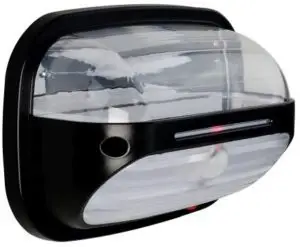
Solar Wall Lights – Nuvo
Brand: Soltech
solar-powered motion security light; ideal for residential use; 2500 lumens @ 25W; Prices start at $
What Are Solar Wall Pack Lights?
Solar wall pack lights are exterior lighting fixtures mounted directly on building walls to illuminate nearby ground areas, entrances, and walkways. These fixtures are commonly used for security lighting and general exterior illumination around commercial and industrial buildings.
Solar versions of wall pack lights integrate solar panels and battery storage into the fixture, allowing them to operate independently from electrical grid power. During the day, photovoltaic panels convert sunlight into electricity, which is stored in rechargeable batteries and used to power LED lighting at night.
Because these systems are self-contained, they can be installed quickly without trenching electrical conduits or connecting to utility power.
Why Solar Wall Pack Lighting Is Popular
Solar wall pack lighting systems have become increasingly popular for commercial and industrial facilities due to their installation flexibility and long-term energy savings.
Off-Grid Installation
Solar wall pack lights eliminate the need for electrical wiring or trenching. This allows lighting systems to be installed in locations where extending electrical infrastructure would be expensive or disruptive.
Improved Building Security
Exterior building lighting improves visibility around entrances, loading docks, walkways, and facility perimeters. Well-lit areas help discourage trespassing and improve nighttime safety around commercial buildings.
Wall pack lighting is commonly installed on building exteriors to illuminate areas where vehicles and pedestrians frequently move.
Energy Cost Reduction
Solar lighting systems generate electricity using renewable solar energy, eliminating utility power costs associated with conventional exterior lighting systems.
Low Maintenance Operation
LED technology and integrated battery systems allow solar wall pack lights to operate for extended periods with minimal maintenance.
Key Components of Solar Wall Pack Lighting Systems
Solar Panels
Photovoltaic solar panels capture sunlight and convert it into electricity used to power the lighting system.
LED Lighting Fixtures
High-efficiency LED luminaires provide bright illumination while consuming minimal power.
Rechargeable Battery Storage
Battery systems store solar energy collected during daylight hours and power the lighting fixture throughout the night.
Lighting Control Systems
Many solar wall pack lights include automatic controls such as:
-
dusk-to-dawn sensors
-
motion activation
-
programmable lighting schedules
These controls help optimize energy consumption while maintaining reliable nighttime illumination.
Applications for Solar Wall Pack Lights
Solar wall pack lighting is used across many commercial and infrastructure environments.
Building Entrances
Wall pack lights illuminate entrances, exits, and doorways to improve visibility for employees, customers, and visitors.
Warehouses and Loading Docks
Industrial facilities use wall pack lighting around loading docks and service areas to support nighttime operations.
Commercial Property Perimeters
Exterior wall lighting helps improve security around building perimeters and parking areas.
Storage Facilities
Self-storage facilities often use solar wall pack lighting to illuminate drive aisles and building corridors.
Schools and Public Buildings
Educational facilities and public buildings frequently install wall pack lighting around entrances and pedestrian areas.
Solar Wall Pack Lighting Design Considerations
Proper design helps ensure reliable solar lighting performance.
Mounting Height
Wall pack lights are typically mounted between 10 and 20 feet above ground level to provide adequate coverage for nearby areas.
Solar Exposure
Solar panels should receive adequate sunlight during the day to maintain sufficient battery charging capacity.
Lighting Coverage
Fixture placement should provide even illumination across walkways, entrances, and service areas.
Environmental Durability
Outdoor lighting systems must withstand rain, temperature fluctuations, and other environmental conditions.
Inline Buyer Q&A
How do I choose the right solar wall pack light for a commercial building?
Start with the area that needs illumination, such as an entrance, walkway, loading area, service door, storage facility, or building perimeter.
Then compare lumen output, light distribution, mounting height, solar-panel capacity, battery storage, operating schedule, controls, and expected sunlight at the installation location.
How much light output does a solar wall pack need?
Required output depends on the mounting height, size of the illuminated area, desired light level, fixture spacing, and whether the lighting is primarily for general visibility, pedestrian circulation, or security.
For larger commercial properties, fixture placement and distribution are often just as important as maximum lumen output.
Should I choose an integrated or separate solar panel?
Integrated solar wall packs combine the fixture, solar panel, and battery into a compact system and work well where the mounting location receives sufficient direct sunlight.
A fixture with a separate solar panel provides more flexibility when the light needs to be installed in a shaded location or when the panel must be positioned elsewhere for better solar exposure.
How much battery capacity should a commercial solar wall pack have?
Battery capacity should support the required nightly operating schedule while providing sufficient reserve power for periods of reduced sunlight.
Runtime requirements, fixture wattage, dimming schedules, motion-sensor operation, local weather, and desired days of autonomy should all be considered when sizing the solar and battery system.
What information should I provide when requesting a solar wall pack quote?
Provide the installation location, mounting height, area dimensions, desired light levels, nightly operating schedule, fixture quantity, and whether motion sensing or programmable controls are required.
Site photographs and information about direct sunlight, shading, nearby buildings, trees, and other obstructions can help determine the appropriate fixture, solar-panel, and battery configuration.
Improve Exterior Building Security with Solar Wall Pack Lighting
Solar wall pack lights provide reliable exterior illumination without the cost and complexity of conventional electrical infrastructure. By eliminating trenching and operating independently from the electrical grid, they can provide an efficient solution for commercial and industrial exterior lighting.
Whether you are lighting entrances, walkways, service areas, loading areas, or building perimeters, our team can help evaluate fixture output, mounting, solar exposure, battery capacity, and controls for your application.
👉 Explore Commercial Solar Lighting Solutions or call 1-844-533-7767 to discuss your off-grid exterior lighting project.
FAQs About LED Solar Outdoor Wall Lights
What are solar wall pack lights used for?
Solar wall pack lights are commonly used for exterior building lighting, including entrances, walkways, loading docks, and building perimeters.
Do solar wall pack lights require electrical wiring?
No. Solar wall pack lights operate using photovoltaic panels and rechargeable batteries, eliminating the need for electrical wiring.
Are solar wall pack lights suitable for commercial buildings?
Yes. Solar wall pack lighting is widely used on warehouses, retail buildings, storage facilities, and commercial properties.
Do solar wall pack lights work during cloudy weather?
Most solar lighting systems include battery storage designed to operate for multiple nights without direct sunlight.
Can solar wall pack lights include motion sensors?
Yes. Many solar wall pack lights include motion sensors or programmable lighting controls to improve security and reduce energy consumption.
Stay Connected with Our Lighting Resources
Add IndustrialLightingFixtures.org as a Preferred Source on Google to see more of our lighting guides and technical resources across Google Search experiences.

Related Commercial Solar & Exterior Lighting Resources
Continue planning your off-grid exterior lighting system with these related commercial solar lighting resources:
- Solar Street Lights — Explore off-grid solar street lighting for roadways, commercial properties, campuses, municipal sites, and locations where conventional electrical infrastructure may be difficult or expensive to install.
- Solar Parking Lot Lights — Explore solar-powered area lighting for commercial parking lots, industrial facilities, municipal properties, and other large outdoor spaces requiring independent illumination.
- Solar Flood Lights — Explore directional solar flood lighting for building perimeters, security areas, yards, signage, equipment areas, and other commercial exterior applications.