
Commercial LED bollard lights provide low-level outdoor illumination for walkways, pathways, building entrances, parks, campuses, commercial properties, and other pedestrian areas. Available designs include architectural, traditional, modern, louvered, shielded, and other commercial bollard light fixtures for new construction and replacement projects.
LED PROS supplies commercial and industrial bollard lighting in multiple heights, wattages, lumen packages, distributions, finishes, color temperatures, and control configurations for outdoor projects.
Need Commercial LED Bollard Lights for Your Project?
LED PROS supplies commercial bollard light fixtures for walkways, pathways, parks, campuses, building entrances, courtyards, multifamily properties, municipal spaces, and other outdoor applications.
We can help identify appropriate fixtures based on bollard height, spacing, light distribution, lumen output, color temperature, architectural style, environmental requirements, controls, quantity, and project specifications.
Explore LED Bollard Lights Below | Request a Quote
Call 1-844-533-7767 for commercial bollard lighting assistance.
LED Bollard Lighting Fixtures
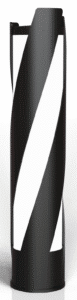
Swirl
Brand: Crystal
Swirl Bollard. Architectural LED Pedestrian Luminaire, Modern curved design, ideal for architectural settings, such as Residential Exteriors, Walkways, Perimeters, School Campuses, Tall Bollard 42 1/2″, Up to 7,000 lumens, 25, 45W, 9″ Base; Custom RGB is also available Prices start at $1,750.
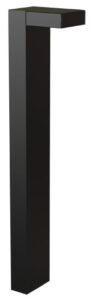
Lynx
Brand: Crystal
Architectural LED Bollard, Elegant linear design, Residential, Exteriors, Apartment complex, Walkways,
Dark Sky compliant, Single and Double Head 180 degree, 36 inch and 42 inch, Up to 6676 lumens, 25,45, 55W; Prices start at $650.
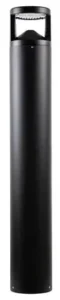
Glow Path
Brand: Beyond LED
adjustable wattages (12W, 18W, 24W) and customizable CCT
options (3K, 4K, 5K); Available in 36” & 42” Height, 6″ Base; Prices start at $350.
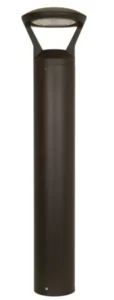
UFO Bollard
Brand: CostLess
Field selectable lumens and color temperatures; Up to 3,000 lumens; 42″ Height, 6″ Base; Prices start at $400.
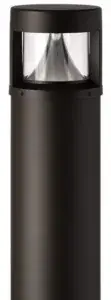
BL
Brand: Atlas LED
Vandal, Corrosion-resistant extruded aluminum, 18/36W; 36″ Height, 8″ Base; Prices start at $400.

Terra
Brand: E-Lite
Corrosion-resistant extruded
aluminum, IP66, IK10; Wattage Select 12/16/22W; 41″ Height, 5″ Base; Prices start at $400.
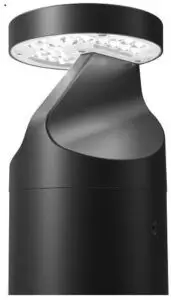
BL-02 series
Brand: AGC
Slim, Heavy-duty bollard with a polycarbonate optical lens; Two sizes 19″ and 39″ ; Available in 15/25W;
Prices start at $400.
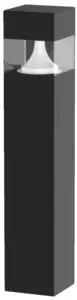
06-BOL series
Brand: CostLess
SQUARE bollard; Lumen & color temperature field selectable; polycarbonate diffuser; 42″ Flat Top bollard with LED cone
reflector and louvers;
13/13/18/19/23W; Prices start at $400.
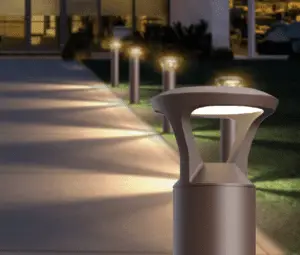
NBB series
Brand: Nebulite
42″ Height; Dark Sky Compliant;
Wattage Selectable- 24W/19W/14W;
CCT Selectable -3K/4K/5K; 0-10v Dimming; Built-in Photo Cell; IK10, IP65; Prices start at $375.
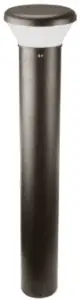
CCT
Brand: Ledsion
Round, decorative bollard,
360-degree beam angle; DLC
42″ Height; Suitable for building
entryways, walking paths,
low-mounted-height light source;
26W; Prices start at $300.
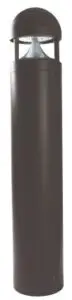
Spartan
Brand: ATG
LED dome or flat top bollard,
42″ height; up to 2,472 lumens;
available in 24W;
Prices start at $350.
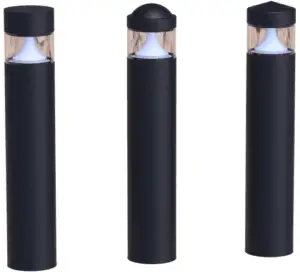
Malibu-Paracline
Brand: Crystal
Paracline Reflector LED Bollard,
flat top, round top or dome top; IP 65,
up to 4,403 lumens; 3-Heights 24″, 36″ 42″ D 6″ or 8” – 12″ anchor bolts; 20/25/35W; Prices start at $600.
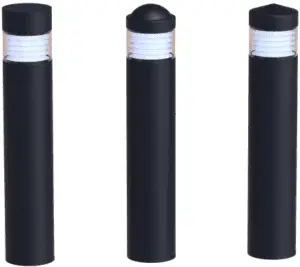
Malibu-Stock Louver
Brand: Crystal
Stock Louver LED Bollard; flat top, round top or dome top; Up to 4,403 lumens; 3 Heights 24″, 36″ 42″ – D; 6″ or 8”; Optional Vandal resistant base;
20/25/35W. Prices start at $600.
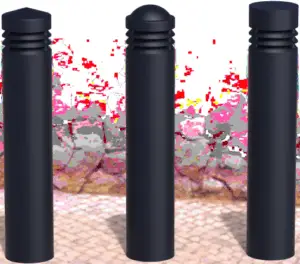
Malibu-Cut of Grill
Brand: Crystal
Cut of Grill LED Bollard; Distributes light at a 45° angle; Flat top, round top or dome top; Up to 4,403 lumens: 3 Heights 24″, 36″ 42″; D-6″ or 8” – 12″20/25/35W. Prices start at $600.
Malibu-Square
Brand: Crystal
Paracline, Stock Louver, Cut Grill Optional Vandal-Resistant Base,
up to 5,509 lumens; 3 Heights 24″, 36″ 42″; 20/25/35W. Prices start at $600.
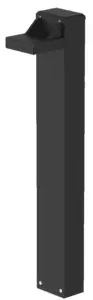
330FAL-B
Brand: Crystal
Slim architectural bollard;
24″, 36″ or 42″ heights; clear optical lens; up to 4,608 lumens; 13/18/26/40W; Prices start at $600.
The 330FAL-B architectural bollard is part of the broader 330FAL Architectural Lighting Collection, offering coordinated bollard and area lighting options for commercial campuses, pedestrian pathways, multifamily communities, and outdoor architectural projects.
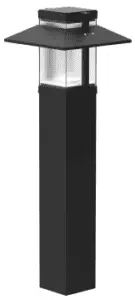
JANUS
Brand: Crystal
Sophisticated modern architectural
bollard; 42″ height; a wide light dist.
up to 7,761 lumens; Dimming,
20/25/35/55W; Prices start at $600.
The JANUS bollard is part of the coordinated JANUS Architectural Lighting Collection, allowing designers to pair pedestrian-scale bollard lighting with complementary JANUS post-top and architectural luminaires while maintaining a consistent visual style across pathways, plazas, campuses, HOA communities, and commercial outdoor environments.
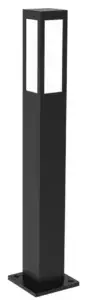
CLB-4020
Brand: Crystal
Slim architectural bollard;
24″, 36″ or 42″ heights; Opal Acrilic Lens; up to 2,337 lumens; 15/25W; Prices start at $600.
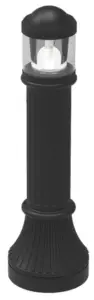
3096
Brand: Crystal
Dome Top; 45 1/2″ height;
clear acrylic lens, 12″ anchor bolts;
10-year warr; up to 4,403 lumens
20/25/35W; Prices start at $1200.
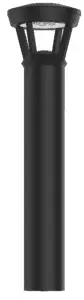
Pulsar
Brand: Crystal
modern style, downward light dist,
Dark Sky Compliant; Optional
Vandal-Resistant Base; up to 5,318 lumens; 20/25/35/45W;
Prices start at $700.
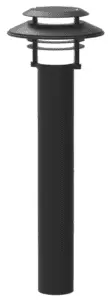
ODIN
Brand: Crystal
Sophisticated modern architectural
bollard; 36″ and 42″ height; up to 4,403 lumens; 20/25/35W;
Prices start at $600.
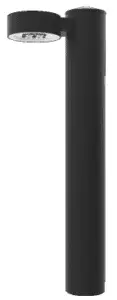
Creo
Brand: Crystal
modern style, Dark Sky Compliant;
36″ and 42″ Heights; up to 7,780 lumens; 15/20/30/40/50W;
Prices start at $700.
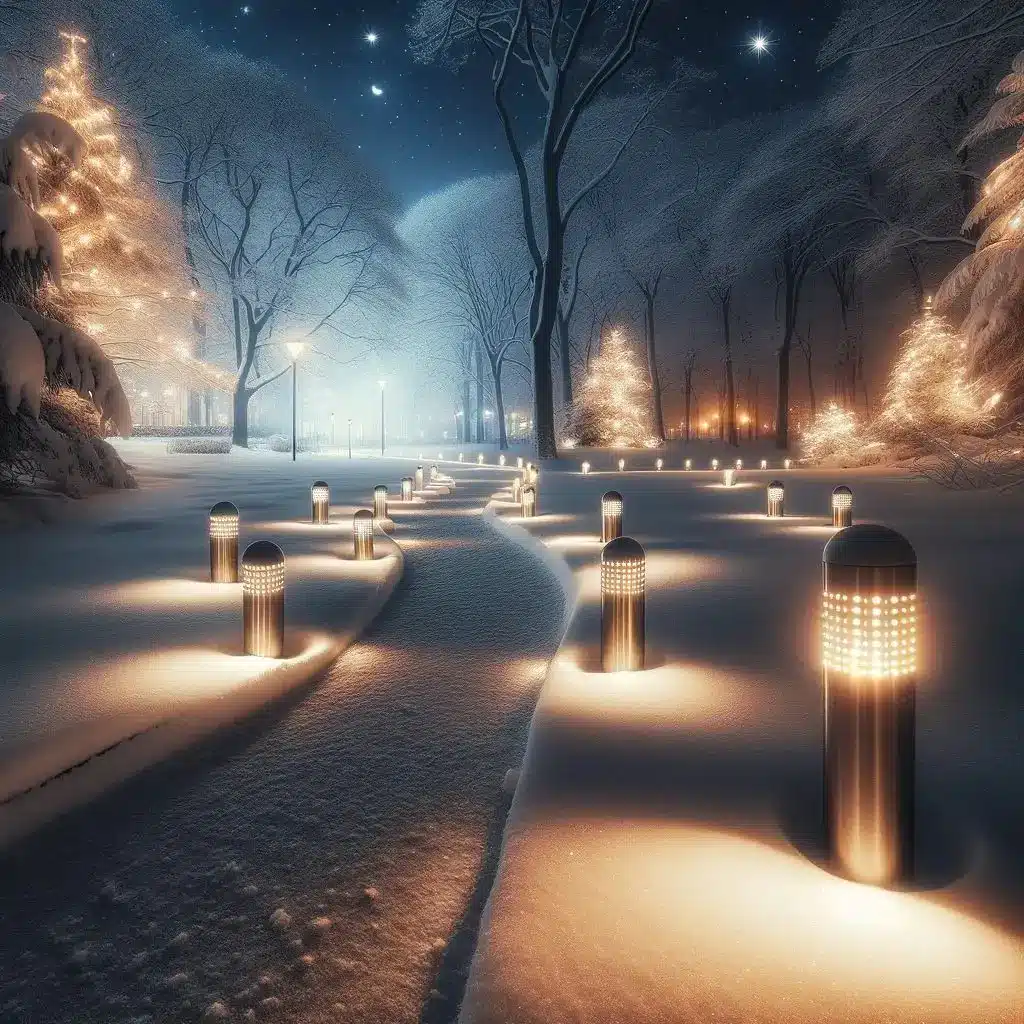
Selecting Commercial LED Bollard Light Fixtures
Commercial bollard lighting should be selected around the pedestrian area being illuminated, mounting height, fixture spacing, optical distribution, required light levels and uniformity, glare control, architectural style, color temperature, controls, environmental exposure, and applicable project requirements.
For walkways and pathways, spacing and light distribution should work together to provide useful illumination between fixtures rather than isolated pools of light. Parks, campuses, building entrances, courtyards, and commercial properties may require different combinations of fixture height, shielding, output, optics, and architectural appearance.
Where Dark Sky, BUG rating, local ordinance, or light-trespass requirements apply, evaluate the specific fixture’s photometric performance and shielding rather than assuming all bollard designs perform the same way.
What Are LED Bollard Lights?
LED bollard lights are low-level outdoor luminaires typically installed along pathways, perimeters, plazas, and landscaped areas to provide pedestrian-oriented illumination. They are designed to deliver wide lateral distribution with soft downlight, creating safe movement corridors while enhancing visual appeal.
Unlike area lights mounted on tall poles, bollards operate at lower heights for close-range navigation and accent lighting.
When to Use LED Bollard Lighting
LED bollard lighting is typically chosen for outdoor environments where:
-
Pedestrian safety and wayfinding are needed along sidewalks and paths
-
Perimeter definitions improve site orientation and visibility
-
Architectural accents enhance building entry or landscape features
-
Low-level illumination is required without excessive glare or uplight
-
Energy efficiency and long service life reduce operating costs
Key Features & Performance
Uniform Light Distribution
Designed to provide even illumination across pathways and pedestrian areas without harsh spots.
Weather-Resistant Construction
IP65+ rated housings ensure performance in rain, wind, and temperature extremes.
Durable Materials
Constructed from die-cast aluminum or corrosion-resistant materials for long outdoor life.
Energy Efficiency
LED technology uses significantly less energy than traditional sources while delivering quality illumination.
Glare-Controlled Design
Optics and shields minimize direct glare for comfortable nighttime visibility.
Projects requiring controlled nighttime illumination can use shielded bollard designs to improve pedestrian visibility while reducing glare, uplight, and unnecessary light spill. See our Dark Sky Bollard Lighting Guide for design considerations, applications, and Dark Sky-friendly bollard strategies.
Long Service Life
Rated for 50,000+ hours to reduce maintenance and replacement costs.
Typical LED Bollard Lighting Specifications
Light Output: Narrow to wide distribution options based on spacing and path width
Optics: Glare-controlled lenses and shields for uniform foot-candle transition
Color Quality: Correlated color temperatures tailored to site ambience
Material / Construction: Durable metal housings with corrosion-resistant finishes
Ingress Protection: IP65 or higher for moisture and dust resistance
Mounting Options: Surface mount or anchor-base configurations
LED Bollard Lighting Planning & Selection
How are LED bollard systems specified?
Bollard systems are specified by evaluating the path width, mounting height, and uniformity requirements. Designers match optical distribution patterns and mounting strategies to site geometry to achieve predictable and comfortable illumination for pedestrians. Placement and spacing are typically coordinated as part of the overall commercial lighting design.
Why is glare control important for bollard lighting?
Effective glare control ensures that light is directed where needed — typically downward and outward — without causing discomfort or visual hotspots. Bollards with precision optics improve visibility along walkways while preserving a pleasant visual environment.
What role does color temperature play?
Color temperature influences the visual ambiance of exterior spaces. Neutral to warm color temperatures are often selected for pedestrian areas to create inviting atmospheres, while cooler temperatures can be specified for security zones or areas requiring higher contrast.
When should bollard lighting be integrated with controls?
Bollard lighting can be integrated with photo-controls, occupancy sensors, or lighting management systems to improve energy efficiency and align illumination with site usage patterns. Control strategies should be chosen based on the operational schedule and safety requirements.
Common Applications
LED bollard lighting is widely used in:
-
-
Pedestrian walkways
-
Campus paths and courtyards
-
Parks and plazas
-
Retail center paths
-
Hotel and hospitality landscapes
-
Transit stops and plazas
-
Municipal pathways
-
Mixed-use developments
-
Design & Installation Considerations
✔ Pathway width and spacing
✔ Desired uniformity and brightness levels
✔ Mounting surface and foundation type
✔ Color temperature selection
✔ Local light-trespass and ordinance compliance
✔ Glare control and shielding
Careful planning ensures comfortable, safe environments that align with project design goals. For properties requiring both pathway guidance and enhanced perimeter protection, bollard lighting is often combined with LED outdoor security lighting to provide layered illumination across pedestrian and building zones.
| Distribution Type | Best For | Foot-Candle Pattern |
|---|---|---|
| Narrow | Pathways | Linear uniform runs |
| Wide | Plazas & Open Areas | Broad coverage |
| Shielded | Entrances | Glare-controlled lighting |
LED bollard lighting often contributes to a comprehensive commercial outdoor lighting system when paired with area and accent fixtures.
Inline Buyer Q&A
How do I choose the right LED bollard light for a commercial project?
Start with the application, required light levels, pathway width, fixture spacing, surrounding architecture, and desired nighttime appearance.
Then compare bollard height, lumen output, optical distribution, shielding, color temperature, wattage, controls, environmental ratings, and architectural style. For larger campuses, parks, plazas, and pedestrian developments, a photometric layout can help determine appropriate fixture spacing and illumination levels.
How far apart should LED bollard lights be installed?
Bollard spacing depends on fixture height, lumen output, optical distribution, pathway width, surrounding ambient light, and required illumination levels.
There is no universal spacing that works for every project. Photometric calculations are the most reliable way to determine spacing while maintaining appropriate light levels and uniformity without over-lighting the space.
How many lumens should a commercial LED bollard produce?
Required lumen output depends on whether the bollard is providing pathway illumination, pedestrian guidance, landscape lighting, perimeter lighting, or decorative architectural illumination.
More lumens are not always better. Proper optical distribution and shielding can often provide better visibility and visual comfort than simply increasing fixture output.
Should I choose a shielded or unshielded bollard?
Shielded bollards are generally preferred where glare control, pedestrian comfort, neighboring properties, or Dark Sky considerations are important.
The appropriate distribution depends on the application. Some projects require illumination around the fixture, while others benefit from controlled directional or downward light that limits spill into surrounding areas.
What information should I provide when requesting bollard lighting for a project?
Provide the project type, pathway or site dimensions, proposed fixture locations, desired bollard style and height, voltage, color temperature, required light levels, and any requirements for controls, glare reduction, or Dark Sky compliance.
Site plans, landscape drawings, photographs, and architectural renderings can also help with fixture selection, spacing, and photometric planning.
Specify Commercial LED Bollard Lighting for Your Project
Bollard lighting should be selected around the application, fixture height, spacing, light distribution, lumen output, architectural style, color temperature, controls, environmental conditions, and project requirements.
Send LED PROS your project location, application, quantity, preferred style, mounting or spacing information, voltage, drawings, photometric requirements, or existing fixture information. We’ll help identify appropriate commercial LED bollard light fixtures for the project.
Request a Quote or call 1-844-533-7767 for commercial bollard lighting assistance.
FAQs About Bollard Lights
What are LED bollard lights used for?
LED bollard lights provide low-level illumination for pathways, walkways, plazas, and landscaped areas to guide pedestrians safely while enhancing outdoor design.
Where are LED bollards commonly installed?
LED bollard lights are typically installed along pedestrian corridors, campus walkways, parks, plazas, and mixed-use outdoor spaces.
Are LED bollard lights weather-rated?
Yes. Commercial bollard luminaires are engineered with weather-resistant housings (often IP65+) for performance in rain, humidity, and outdoor conditions.
How do LED bollard lights reduce glare?
Bollard fixtures use optic shields and downlighting design to direct light downward and minimize glare for comfortable nighttime visibility.
How long do LED bollard lights last?
Most commercial LED bollard fixtures are rated for 50,000+ hours of operation, reducing maintenance needs and replacement frequency.
Can bollard lighting be coordinated with other outdoor fixtures?
Yes. Bollard lighting is often part of a layered outdoor lighting design that includes area luminaires, façade lighting, and pathway accents.
Stay Connected with Our Lighting Resources
Add IndustrialLightingFixtures.org as a Preferred Source on Google to see more of our lighting guides and technical resources across Google Search experiences.
Related LED Bollard & Pedestrian Lighting Resources
Continue planning your bollard and pedestrian lighting project with these related commercial outdoor lighting resources:
- JANUS Architectural Lighting Collection — Explore a coordinated architectural lighting family that includes bollard and post-top luminaires for pathways, plazas, campuses, HOA communities, and commercial developments.
- LED Bollard Height Guide
- Bollard Light Spacing Guide