
Solar lighting systems have rapidly evolved into a reliable and practical solution for illuminating commercial properties, municipal infrastructure, parks, transportation corridors, and remote facilities. Unlike conventional lighting systems that rely on grid electricity and underground wiring, solar lighting operates independently using photovoltaic panels, integrated battery storage, and energy-efficient LED luminaires.
Advancements in LED efficiency, lithium battery technology, and intelligent lighting controls have significantly improved the performance of solar lighting systems. Modern solar fixtures are capable of delivering consistent illumination for extended nighttime operation while requiring minimal maintenance.
One of the most important drivers behind the adoption of solar lighting is the growing problem of copper wire theft in traditional electrical lighting systems. Cities and property owners are increasingly turning to solar lighting because these systems eliminate underground wiring, making them far less vulnerable to vandalism and infrastructure damage.
As municipalities seek resilient infrastructure and businesses pursue energy-efficient lighting strategies, solar lighting has become an important component of modern outdoor illumination.
Explore our Solar Lighting Systems designed for commercial and municipal infrastructure.
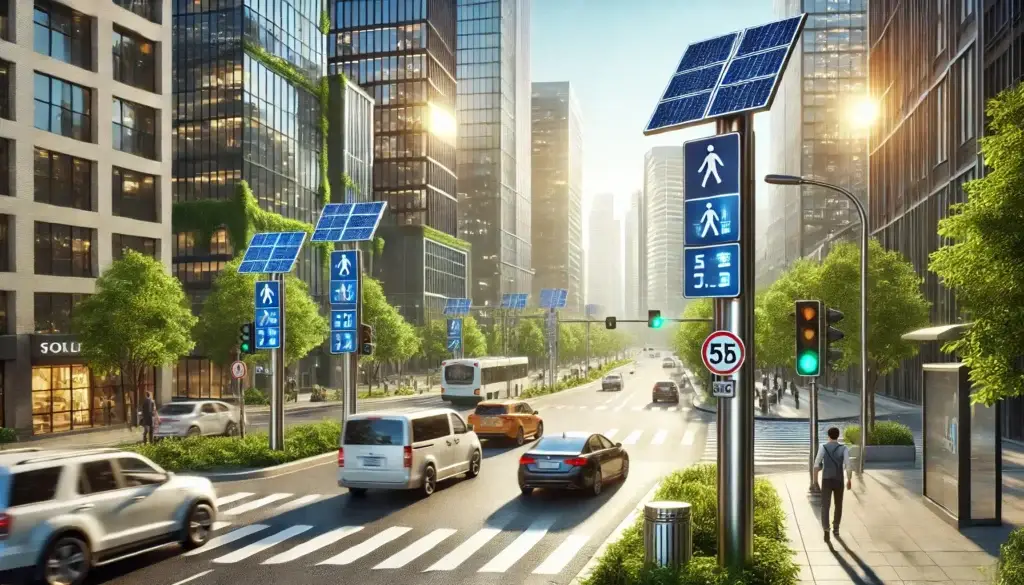
What Is Commercial Solar Lighting?
Commercial solar lighting refers to outdoor lighting systems powered entirely by solar energy rather than electrical utility power. These systems convert sunlight into electricity through photovoltaic panels and store the energy in onboard batteries for nighttime operation.
A typical commercial solar lighting system includes several integrated components:
• Photovoltaic solar panels
• Energy storage batteries
• LED lighting fixtures
• Charge controllers
• Mounting structures and poles
• Motion or adaptive lighting controls
During daylight hours, solar panels generate electrical energy which is stored in battery systems. When daylight fades, the stored energy powers LED luminaires that provide illumination throughout the night.
Many modern systems include programmable lighting profiles that automatically adjust brightness levels based on activity or time of night to conserve energy while maintaining safety.
Why Solar Lighting Is Growing in Municipal Infrastructure
Cities, counties, and transportation agencies are increasingly integrating solar lighting into infrastructure projects for several reasons.
Copper Theft Prevention
Copper theft has become a widespread issue across North America. Traditional street lighting systems rely on long runs of underground copper wiring that are frequently targeted by thieves. When copper wiring is stolen, lighting systems fail and repairs can become extremely costly.
Solar lighting eliminates underground wiring entirely, removing one of the primary vulnerabilities of grid-connected lighting infrastructure.
Reduced Installation Costs
Installing conventional lighting systems often requires trenching, conduit installation, electrical permits, and coordination with utility companies. These infrastructure requirements can significantly increase project costs.
Solar lighting systems operate independently, allowing them to be installed quickly without extensive electrical work.
Energy Independence
Solar lighting operates without utility electricity, eliminating ongoing energy costs. This makes solar lighting attractive for municipalities managing large lighting networks.
Remote Installation Flexibility
Solar lighting can be installed in locations where electrical infrastructure is unavailable or difficult to extend.
Common off-grid applications include:
• Rural roads
• Parks and trails
• Construction zones
• Agricultural properties
• Remote industrial facilities
• Transportation corridors
Sustainability Initiatives
Many municipalities have adopted renewable energy targets and climate initiatives. Solar lighting supports these goals by reducing reliance on fossil fuel-based electricity generation.
Core Components of Solar Lighting Systems
Understanding the primary components of solar lighting systems helps planners and facility managers select the appropriate solution for their projects.
Solar Panels
Photovoltaic panels convert sunlight into electrical energy. Commercial solar lighting systems typically use high-efficiency monocrystalline panels designed for long-term outdoor exposure.
Panels are mounted at angles optimized for maximum solar exposure based on geographic location.
Battery Storage Systems
Battery storage allows solar lighting systems to operate throughout the night and during cloudy weather conditions.
Lithium iron phosphate (LiFePO4) batteries are commonly used because they provide:
• Long cycle life
• Thermal stability
• High discharge efficiency
• Extended operational lifespan
Many systems are designed with multiple nights of autonomy, meaning they can continue operating even when sunlight is temporarily limited.
Like most solar powered systems, outdoor fixtures rely on rechargeable batteries that store energy during the day. Learn more about maintenance and replacement in our article on whether solar light batteries need to be changed.
LED Lighting Fixtures
LED technology is essential to solar lighting because it provides high lumen output while consuming minimal power. High-efficiency LED optics allow solar systems to deliver significant illumination with relatively small energy storage requirements.
Smart Controllers
Charge controllers regulate battery charging and control the lighting system’s operation. Advanced systems include intelligent features such as:
• Motion detection
• Adaptive dimming
• Programmable lighting schedules
• Remote monitoring
Mounting Poles and Structures
Solar lighting systems are typically mounted on poles that support both the solar panel and the LED fixture.
Common pole types include:
• Aluminum poles
• Steel poles
• Decorative architectural poles
• Direct burial poles
• Retrofit pole mounting systems
Major Applications of Solar Lighting
Solar lighting is used across a wide variety of outdoor lighting applications.
Selecting the right solar fixture depends on the application, brightness requirements, and installation environment. For a detailed overview, read our ultimate guide to choosing the best solar light for outdoor spaces.
Solar Street Lighting
Solar street lights provide roadway illumination for municipal streets, rural roads, residential developments, and transportation infrastructure.
These systems often include integrated motion sensors and adaptive lighting profiles to optimize energy use.
Solar Parking Lot Lighting
Solar parking lot lighting systems illuminate retail centers, industrial facilities, apartment complexes, and commercial properties.
Because they do not require trenching electrical lines, solar parking lot lights can be installed much faster than conventional lighting.
Solar Pathway and Pedestrian Lighting
Parks, university campuses, and recreational areas frequently use solar lighting to illuminate walking paths and pedestrian corridors.
These installations provide safety while preserving landscaping and avoiding trenching.
Solar Security Lighting
Solar security lighting is commonly installed in remote facilities, construction sites, storage yards, and infrastructure areas where reliable illumination is needed but electrical service may not be available.
Solar Sign Lighting
Solar lighting can illuminate:
• Commercial signage
• Monument signs
• Highway signage
• Directional signage
These systems are widely used for businesses seeking cost-effective sign visibility.
Advantages of Solar Lighting Systems
| Feature | Benefit |
|---|---|
| Off-grid operation | No electrical infrastructure required |
| Eliminates copper wiring | Reduces risk of theft and vandalism |
| Energy independence | No electricity bills |
| Faster installation | No trenching or conduit installation |
| Environmental sustainability | Renewable energy source |
| Scalable design | Easy to expand lighting networks |
Key Design Considerations for Solar Lighting
Successful solar lighting installations require careful planning and system sizing.
Geographic Solar Exposure
Solar energy availability varies by region. Systems installed in northern climates may require larger panels and battery storage.
Lighting Duration
Most commercial solar lighting systems are designed to operate between 10 and 14 hours per night.
Battery Autonomy
High-quality systems typically provide three to five nights of autonomy to ensure reliable performance during cloudy weather.
Wind Load and Structural Design
Solar panels increase wind load on lighting poles. Engineers must ensure poles are rated for local wind conditions.
Environmental Conditions
Solar lighting systems should be designed to withstand:
• High temperatures
• Snow loads
• Coastal corrosion
• Heavy rain exposure
Solar Lighting vs Traditional Lighting
| Factor | Solar Lighting | Traditional Lighting |
|---|---|---|
| Energy source | Solar | Utility electricity |
| Installation complexity | Low | High |
| Copper theft risk | None | High |
| Energy costs | None | Ongoing |
| Infrastructure requirements | Minimal | Extensive |
The Future of Solar Lighting
Solar lighting technology continues to advance as LED efficiency improves and battery energy density increases.
Emerging solar lighting systems may incorporate features such as:
• Smart city connectivity
• Wireless communication networks
• Remote system monitoring
• Integrated security cameras
• Adaptive lighting based on pedestrian activity
As infrastructure resilience becomes increasingly important, solar lighting will likely play a larger role in both urban and rural development.
Related Solar Lighting Solutions
For more detailed information about specific solar lighting systems, explore the following resources:
• Solar Street Lighting Systems
• Solar Parking Lot Lighting
• Solar Flood Lighting
• Solar Security Lighting
• Solar Sign Lighting
• Solar Traffic and Crosswalk Signs
FAQs
Are solar street lights reliable?
Modern solar street lights use advanced battery storage and LED technology to provide reliable nighttime illumination even during periods of limited sunlight.
How long do solar lighting systems last?
Commercial solar lighting systems typically have lifespans ranging from 10 to 20 years depending on component quality and maintenance.
Do solar lights require electrical wiring?
No. Solar lighting systems operate independently without underground wiring or connection to the electrical grid.
Why are cities installing solar street lights?
Solar lighting reduces infrastructure costs, eliminates copper theft risks, and supports sustainability goals for municipalities.
Can solar lighting be used in commercial parking lots?
Yes. Solar parking lot lights are widely used in commercial developments where extending electrical infrastructure is costly or impractical.
Explore Commercial Solar Lighting Solutions
Solar lighting systems provide dependable outdoor illumination without the need for electrical infrastructure. From solar street lighting and parking lot lighting to pathway illumination and security lighting, modern solar technology allows municipalities and businesses to deploy reliable lighting systems almost anywhere.
Explore our solar lighting solutions or learn more about our commercial lighting systems designed for long-term performance and energy efficiency.