
Solar Traffic Sign Lighting Overview
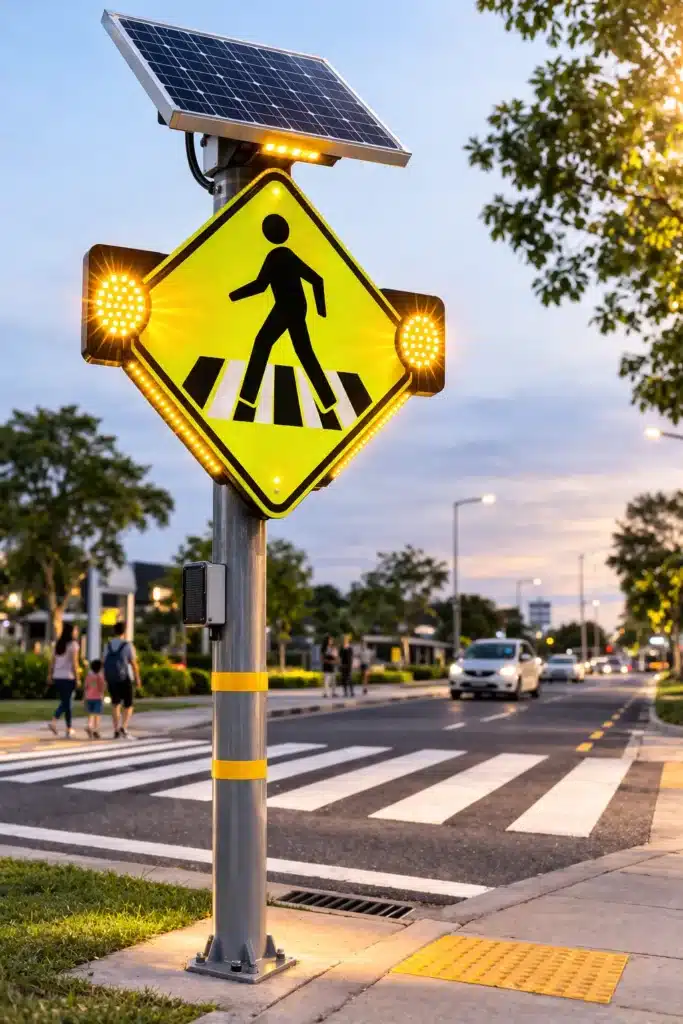
Solar traffic signs provide highly visible roadway warnings designed to improve driver awareness and enhance traffic safety in areas where hazards or pedestrian activity require additional attention. These systems use photovoltaic solar panels, LED-illuminated signage, and rechargeable battery storage to operate independently without electrical wiring or grid power connections.
Unlike traditional traffic signs that rely solely on reflective materials, solar traffic signs incorporate flashing LED lights or illuminated panels that make the sign far more noticeable to approaching drivers. This increased visibility helps alert motorists to important road conditions such as pedestrian crossings, school zones, sharp curves, or stop signs.
Because solar traffic signs generate their own power, they can be installed quickly in remote locations, rural roads, or areas where electrical infrastructure is limited. These systems are widely used by municipalities, transportation departments, school districts, and commercial developments seeking cost-effective safety solutions.
For a broader overview of off-grid roadway lighting and infrastructure solutions, explore our Solar Lighting Systems resource:
What Are Solar Traffic Signs?
Solar traffic signs are roadway safety devices that use solar energy to power LED lighting elements integrated into standard traffic signage. These signs typically include flashing LEDs or illuminated panels designed to increase visibility and draw driver attention to important roadway warnings.
A typical solar traffic sign system includes:
-
photovoltaic solar panel
-
LED illuminated traffic sign
-
rechargeable battery storage
-
charge controller
-
mounting pole or bracket system
-
programmable controller or timer
During daylight hours, solar panels collect sunlight and convert it into electricity that charges onboard batteries. At night or during low-visibility conditions, the stored energy powers LED lights that enhance the sign’s visibility for drivers.
Because these systems operate independently, they are ideal for areas where extending electrical infrastructure would be expensive or impractical.
Why Solar Traffic Signs Improve Roadway Safety
Solar traffic signs are widely used in modern traffic management systems because they increase driver awareness while simplifying installation.
Increased Visibility
LED-illuminated traffic signs are significantly more noticeable than traditional reflective signs. Flashing lights draw driver attention and help ensure motorists recognize important warnings sooner.
Improved Pedestrian Safety
Solar traffic signs are frequently used near crosswalks, school zones, and pedestrian corridors where additional driver awareness helps reduce accidents.
School zone warning signs powered by solar energy help encourage drivers to slow down and remain alert when children are present.
For high-visibility traffic calming, many municipalities install solar radar speed signs that display a driver’s real-time speed and encourage safer driving behavior in school zones and residential areas.
Off-Grid Installation
Solar traffic signs eliminate the need for electrical trenching and utility connections, allowing quick installation in remote or rural locations.
Low Maintenance Operation
Because solar traffic signs rely on renewable energy and durable LED technology, they typically require minimal maintenance while providing long service life.
Key Components of Solar Traffic Sign Systems
Solar Panels
Photovoltaic panels capture sunlight during the day and generate electricity used to power the lighting system.
LED Illuminated Sign Faces
High-intensity LED lights increase the visibility of the sign, especially at night or in poor weather conditions.
Rechargeable Battery Storage
Battery systems store solar energy generated during daylight hours and power the LED lighting during nighttime operation.
Programmable Controllers
Controllers may allow flashing schedules, timers, or motion detection to activate the sign when necessary.
Applications for Solar Traffic Signs
Solar traffic signs are widely deployed across transportation infrastructure to improve roadway safety.
School Zones
Flashing solar traffic signs warn drivers when reduced speed limits are in effect near schools and areas with heavy pedestrian activity.
Pedestrian Crossings
Solar-powered crosswalk signs help drivers identify pedestrian crossings more easily and prepare to stop.
Stop Signs and Intersections
Solar-illuminated stop signs improve visibility at intersections where drivers may otherwise overlook standard signage.
Rural Roads and Hazard Warnings
Solar traffic signs can alert drivers to sharp curves, steep grades, wildlife crossings, or other roadway hazards.
Construction Zones
Temporary solar traffic signs can guide vehicles safely through construction areas where road conditions frequently change.
Solar Stop Signs and Crosswalk Warning Systems
Solar traffic signs are widely used to increase visibility at intersections, pedestrian crossings, and school zones where traditional reflective signs may not provide enough driver awareness. By integrating flashing LED lights directly into the sign face or mounting flashing beacons above the sign, solar-powered traffic signs create highly visible warnings that capture driver attention from greater distances.
Solar stop signs are commonly installed at rural intersections and low-visibility crossings where drivers may overlook standard stop signs. Flashing LED lights placed around the perimeter of the sign help alert approaching drivers and encourage full stops before entering the intersection.
Solar crosswalk signs are frequently used near pedestrian corridors, parks, trails, and school crossings where additional visibility helps protect pedestrians. These systems may include flashing LED borders, illuminated pedestrian symbols, or paired flashing beacons mounted above the sign.
School zone solar signs are another common application. Flashing LED lights activate during designated hours when students are arriving or leaving school, warning drivers to reduce speed and remain alert.
Because solar traffic signs operate independently from electrical infrastructure, they can be installed quickly in locations where extending power lines would be expensive or impractical. This makes them especially effective for rural communities, temporary roadway projects, and expanding municipal infrastructure.
Available Solar Powered Traffic Signs
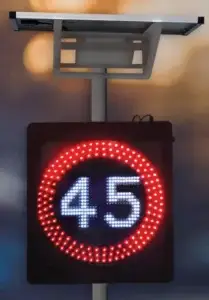
Solar Variable Speed Limit Sign
Brand: Eco Solar Lights
Typically installed in areas where vehicles are in close proximity to pedestrians such as school zones, construction zones, residential areas, and college campuses.
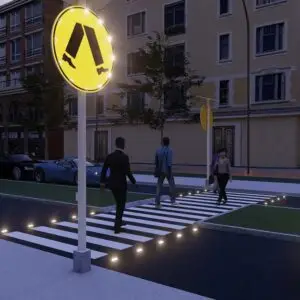
Solar Powered Pedestrian Crosswalk Signs
Brand: Eco Solar Lights
designed to improve pedestrian safety in high risk locations by dramatically increasing the visibility of the pedestrian crossing day and night.

Solar Radar Speed Sign
Brand: Eco Solar Lights
Radar speed signs provide positive visual enforcement of the designated speed limit. High visibility LED display. Increase the visibility of the message and improve safety; awareness of speed limit, Day and/or night operation
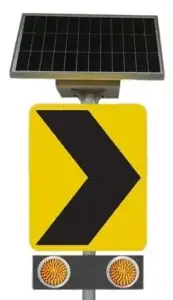
Solar Variable Speed Limit Sign
Brand: Eco Solar Lights
Typically installed in areas where vehicles are in close proximity to pedestrians such as school zones, construction zones, residential areas, and college campuses.

Solar Variable Speed Limit Sign
Brand: Eco Solar Lights
Typically installed in areas where vehicles are in close proximity to pedestrians such as school zones, construction zones, residential areas, and college campuses.

Solar Variable Speed Limit Sign
Brand: Eco Solar Lights
Typically installed in areas where vehicles are in close proximity to pedestrians such as school zones, construction zones, residential areas, and college campuses.
Solar Traffic Sign Design Considerations
When selecting solar traffic sign systems, several factors must be evaluated to ensure reliable performance.
Visibility Distance
LED lighting intensity and flash patterns should be visible from sufficient distance to alert approaching drivers.
Solar Exposure
Solar panels must receive adequate sunlight to maintain battery charging capacity.
Mounting Height and Position
Signs should be positioned where drivers can clearly see them without obstruction.
Environmental Durability
Traffic sign systems must withstand rain, wind, temperature fluctuations, and other outdoor conditions.
Related Solar Lighting Systems
Solar traffic signs are often installed alongside other solar infrastructure lighting systems.
Related solar lighting solutions include:
• Solar Flashing Traffic Beacons
These solar lighting systems help municipalities deploy reliable off-grid safety infrastructure across roadways and public environments.
FAQs About Solar Powered Traffic Signs
What are solar traffic signs used for?
Solar traffic signs are used to warn drivers about hazards such as school zones, pedestrian crossings, intersections, and roadway changes.
Do solar traffic signs require electrical wiring?
No. Solar traffic signs operate independently using solar panels and rechargeable battery systems.
Are solar traffic signs visible during the day?
Yes. High-intensity LED lights are designed to be visible both during daylight hours and at night.
Why do cities install solar traffic signs?
Municipalities use solar traffic signs to improve roadway safety while reducing installation costs associated with electrical infrastructure.
Where are solar traffic signs typically installed?
Solar traffic signs are commonly installed near school zones, crosswalks, intersections, construction zones, and rural road hazards.
Improve Roadway Safety with Solar Traffic Sign Systems
Solar traffic signs provide highly visible warnings that help protect pedestrians and improve driver awareness. By eliminating electrical infrastructure and operating entirely on solar energy, these systems offer a reliable solution for municipalities, transportation departments, and commercial developments.
Whether you are installing safety signage for school zones, pedestrian crossings, or roadway hazards, solar traffic signs provide dependable off-grid traffic control solutions.