
First Impressions Begin After Dark
For many businesses, the first impression doesn’t occur during daylight—it happens after sunset.
Customers arriving at restaurants, hotels, office buildings, retail centers, healthcare facilities, and entertainment venues immediately notice how the property is illuminated.
A dark building can appear closed, outdated, or uninviting.
A professionally illuminated façade communicates:
- Professionalism
- Safety
- Attention to detail
- Pride of ownership
- Brand quality
- Customer confidence
Exterior lighting often becomes one of the property’s most recognizable visual features.
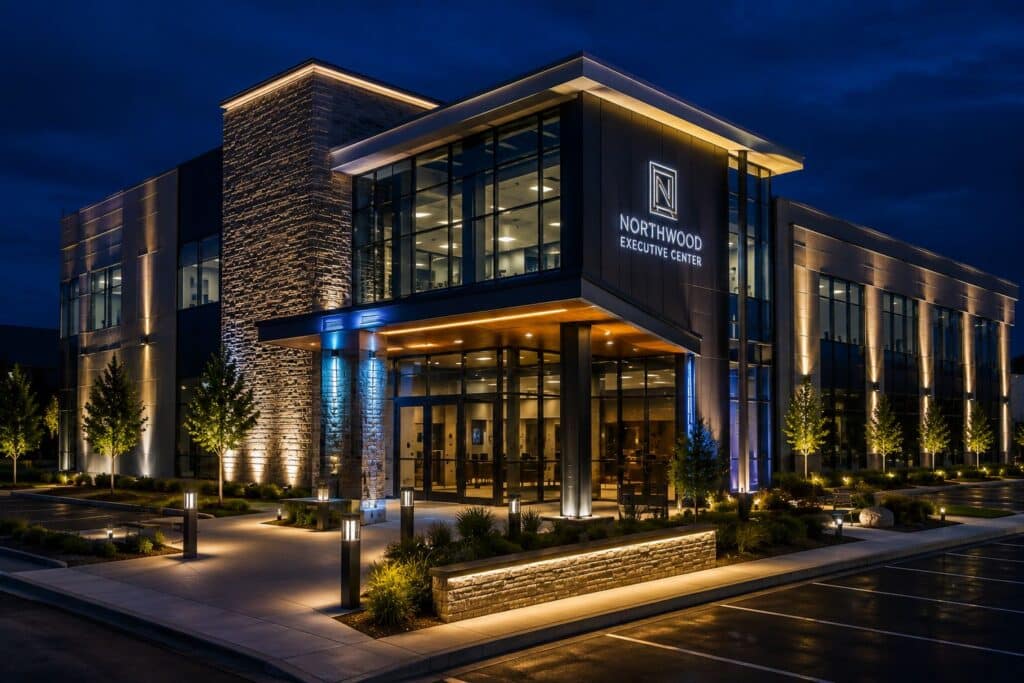
Professionally designed LED façade lighting transforms commercial buildings into attractive nighttime landmarks while improving branding, customer experience, and property value.
A professionally illuminated building does more than look impressive—it strengthens your brand, enhances customer confidence, improves safety, and creates lasting value for your property.
Our lighting specialists can help design an architectural lighting system that complements your building while maximizing long-term performance and return on investment.
Request an Architectural Lighting Consultation – – https://industriallightingfixtures.org/
Why Exterior Appearance Matters
Commercial buildings compete for attention every day.
Architectural lighting helps distinguish one property from another by emphasizing the building’s unique design while creating a welcoming nighttime environment.
Benefits include:
- Enhanced curb appeal
- Stronger corporate identity
- Increased nighttime visibility
- Improved visitor experience
- Greater tenant satisfaction
- More attractive leasing opportunities
- Better community presence
Unlike temporary advertising, architectural lighting works every evening throughout the year.
Want to learn how professional designers create stunning architectural lighting? Visit our Architectural Façade Lighting Design Guide to explore wall washing, wall grazing, beam angles, RGBW systems, and lighting controls.
Better Customer Experiences
Well-designed façade lighting improves how customers interact with a property.
Visitors feel more comfortable approaching a brightly illuminated entrance than a poorly lit building.
Architectural lighting benefits:
- Hotels
- Restaurants
- Retail centers
- Healthcare facilities
- Office buildings
- Mixed-use developments
- Entertainment venues
A welcoming exterior often encourages visitors to enter while reinforcing positive impressions of the business.
Architectural lighting is one component of a complete exterior lighting strategy. Learn how façade lighting works alongside parking lot lights, pathway lighting, landscape lighting, and illuminated entrances in our Commercial Building Exterior Lighting Guide.
Stronger Corporate Branding
Modern architectural lighting extends a company’s visual identity beyond daylight hours.
Building lighting can reinforce:
- Company colors
- Architectural character
- Corporate image
- Professional appearance
- Brand recognition
For headquarters, hotels, casinos, universities, and municipal buildings, façade lighting becomes part of the organization’s public identity.
Improved Wayfinding
Visitors should immediately recognize:
- Main entrances
- Reception areas
- Visitor parking
- Accessible entrances
- Emergency exits
- Drop-off locations
- Pedestrian pathways
Proper architectural lighting naturally guides people through the property while reducing confusion after dark.
Better Employee Experience
Employees often arrive before sunrise or leave well after sunset.
Exterior lighting improves:
- Walking routes
- Building entrances
- Employee parking
- Outdoor break areas
- Building access points
Well-illuminated facilities help employees feel safer while creating a more professional work environment.
Improved Security Without Over-Lighting
Architectural lighting supports security by improving visibility around the building while avoiding excessive brightness.
Professionally positioned fixtures help:
- Reduce shadows
- Improve surveillance camera performance
- Increase visibility around entrances
- Illuminate public gathering areas
- Discourage unauthorized activity
Security improves through thoughtful lighting design rather than simply installing higher-wattage fixtures.
Architecture Becomes a Business Asset
Every commercial building contains architectural features that can become visual focal points.
Examples include:
- Columns
- Stone facades
- Brickwork
- Glass curtain walls
- Entry canopies
- Public art
- Monument signage
- Decorative landscaping
- Water features
LED façade lighting transforms these elements into memorable nighttime architectural assets that strengthen the property’s identity.
Interested in the financial side of architectural lighting? Our LED Façade Lighting Energy Savings & ROI Guide explains lifecycle costs, maintenance savings, energy efficiency, and return on investment.
Lighting Extends Your Brand Beyond Business Hours
Your building represents your organization throughout the day.
After sunset, your lighting becomes your brand.
A professionally illuminated building continues promoting your business long after employees have gone home.
Unlike traditional advertising, architectural lighting operates every evening, reinforcing your company’s image to customers, tenants, employees, and the surrounding community.
For many businesses, façade lighting becomes one of the most recognizable elements of their brand identity.
RGBW Creates New Marketing Opportunities
Modern RGBW architectural lighting allows commercial buildings to do much more than simply illuminate their exterior.
With programmable color-changing capability, one lighting system can support:
- Holiday celebrations
- Corporate anniversaries
- Charity awareness campaigns
- Sporting events
- University colors
- Grand openings
- Community celebrations
- Seasonal promotions
Instead of installing temporary decorations, facility managers can update the building’s appearance with scheduled lighting scenes while maintaining clean white illumination during normal business operations.
Hospitality Properties Benefit from Architectural Lighting
Hotels, resorts, restaurants, casinos, and entertainment venues depend heavily on first impressions.
Architectural façade lighting creates a welcoming nighttime atmosphere that reflects the quality of the guest experience before visitors even walk through the front door.
Common hospitality objectives include:
- Highlighting the main entrance
- Illuminating porte-cochères
- Accentuating architectural features
- Reinforcing brand identity
- Improving pedestrian comfort
- Enhancing outdoor dining areas
- Creating memorable arrival experiences
For many hospitality businesses, façade lighting becomes part of the overall guest experience and supports repeat visits.
Municipal and Civic Buildings
Architectural lighting helps civic buildings become recognizable landmarks within the community.
Typical applications include:
- City halls
- Libraries
- Museums
- Performing arts centers
- Courthouses
- Community centers
- Government offices
Modern RGBW systems allow municipalities to commemorate national holidays, awareness campaigns, and local celebrations without temporary decorations or additional lighting equipment.
Corporate Headquarters Strengthen Their Brand
Many corporations invest in façade lighting to reinforce their identity after business hours.
Professionally illuminated headquarters communicate:
- Stability
- Innovation
- Professionalism
- Attention to detail
Corporate lighting programs often incorporate:
- Company colors
- Anniversary celebrations
- Product launches
- Community partnerships
- Charitable awareness campaigns
Architectural lighting transforms an office building into a recognizable corporate landmark.
Retail Centers and Mixed-Use Developments
Retail properties compete for customer attention long after sunset.
Architectural lighting helps shopping centers and mixed-use developments create inviting outdoor environments that encourage visitors to spend more time on the property.
Lighting commonly highlights:
- Main entrances
- Restaurants
- Public gathering spaces
- Courtyards
- Outdoor seating
- Monument signage
- Decorative landscaping
A visually appealing nighttime environment contributes to an enjoyable shopping and dining experience.
Architectural Lighting Can Increase Property Value
Well-designed exterior lighting is often viewed as a long-term property improvement rather than a short-term expense.
Benefits may include:
- Increased tenant appeal
- Improved leasing opportunities
- Higher perceived property quality
- Stronger curb appeal
- Better customer retention
- Enhanced competitive positioning
For commercial developments, architectural lighting often complements landscaping, signage, and building renovations as part of a comprehensive property enhancement strategy.
Social Media Has Changed Commercial Lighting
Today’s buildings are photographed more than ever before.
Visitors routinely share images across social media platforms, review sites, and business directories.
A striking nighttime appearance can generate additional exposure through:
- Guest photographs
- Community events
- Tourism promotions
- Business marketing
- Online reviews
- Local media coverage
Architectural lighting helps create memorable visual experiences that encourage people to photograph and share the property.
Smart Controls Improve Operational Flexibility
Modern façade lighting systems provide far more than simple on/off control.
Depending on the application, owners may choose:
Bluetooth or Wi-Fi App Control
Ideal for:
- Restaurants
- Hotels
- Churches
- Small office buildings
- Municipal facilities
Benefits include:
- Smartphone operation
- Color selection
- Brightness adjustment
- Scheduling
- Scene storage
- Multiple fixture grouping
DMX512 Professional Control
Recommended for:
- Stadiums
- Corporate campuses
- Convention centers
- Hotels
- Universities
- Bridges
- Large architectural projects
DMX512 allows hundreds of RGBW fixtures to operate as one synchronized lighting system capable of displaying dynamic architectural scenes throughout the year.
Common Architectural Lighting Mistakes
Avoid these common design errors:
- Installing fixtures solely for brightness
- Ignoring architectural balance
- Using incorrect beam angles
- Creating excessive glare
- Over-lighting the building
- Mixing inconsistent color temperatures
- Ignoring maintenance accessibility
- Failing to use photometric layouts
- Selecting RGB when RGBW better suits the application
- Neglecting future lighting controls
Professional lighting design focuses on balance, efficiency, and visual impact rather than simply increasing light output.
Commercial Buyer Checklist
Before beginning an architectural lighting project, gather:
✓ Building elevations
✓ Architectural drawings
✓ Building dimensions
✓ Desired lighting effects
✓ Mounting heights
✓ Building materials
✓ Existing electrical service
✓ Preferred color temperature
✓ RGBW requirements
✓ Preferred control system
✓ Site photographs
✓ Adjacent property information
Providing this information allows lighting specialists to recommend the appropriate fixtures, optics, controls, and lighting layout.
Inline Buyer Q&A
Is façade lighting only beneficial for large buildings?
No. Office buildings, restaurants, churches, hotels, retail centers, healthcare facilities, schools, and municipal buildings can all benefit from professionally designed façade lighting.
Should every project include RGBW lighting?
Not necessarily. Many commercial buildings achieve excellent results with static white LED fixtures. RGBW is most valuable where branding, holidays, and special events are important.
Can façade lighting improve customer confidence?
Yes. A well-lit building appears more inviting, professional, and secure, helping create a positive first impression before visitors enter the property.
Are smartphone controls sufficient for most projects?
For many small- and medium-sized commercial buildings, Bluetooth or Wi-Fi app control offers outstanding flexibility. Larger architectural installations generally benefit from DMX512.
Why is professional lighting design important?
Proper fixture selection, optics, mounting locations, beam angles, and lighting controls all contribute to a balanced architectural presentation while minimizing glare and energy consumption.
Turn Your Building Into a Lasting Impression
A professionally illuminated façade does far more than showcase architecture. It creates memorable first impressions, reinforces your brand, improves customer confidence, supports employee safety, enhances property value, and transforms your building into a recognizable nighttime landmark.
Whether you’re upgrading a hotel, office building, retail center, healthcare facility, university, or municipal property, modern LED façade lighting combines architectural beauty with long-term performance and operational efficiency.
Ready to Enhance Your Building’s Exterior?
Our lighting specialists can help you design a façade lighting system that highlights your architecture, reflects your brand, and delivers lasting value.
Explore our complete selection of LED Façade Lighting solutions and discover how professional architectural lighting can transform your commercial property.
Frequently Asked Questions
Does architectural lighting increase operating costs?
Modern LED façade lighting significantly reduces energy consumption compared to legacy lighting technologies. Combined with long fixture life and intelligent controls, operating costs are typically much lower than older HID or halogen systems.
Can existing architectural lighting be upgraded?
Yes. Many buildings replace older flood lights or first-generation LED fixtures with modern architectural luminaires featuring improved optics, RGBW technology, field-selectable wattage, and higher efficacy.
Is RGBW difficult to operate?
No. Many RGBW fixtures now support intuitive Bluetooth or Wi-Fi smartphone apps for programming colors, brightness, schedules, and lighting scenes. Larger installations may use DMX512 controllers for advanced synchronization.
What color temperature is best for commercial buildings?
Many architectural projects use 3000K for a warm appearance or 4000K for a modern aesthetic. RGBW fixtures provide dedicated white illumination plus full-color capability when needed.
Should architectural lighting include a photometric layout?
Yes. Photometric analysis helps determine fixture placement, beam angles, illumination levels, and uniformity before installation, ensuring the finished project meets both aesthetic and functional goals.
Stay Connected with Our Lighting Resources
Add IndustrialLightingFixtures.org as a Preferred Source on Google to see more of our lighting guides and technical resources across Google Search experiences.