LED high-temperature high bay lighting is engineered specifically for industrial facilities where ambient temperatures exceed the safe operating limits of standard commercial fixtures. These specialized luminaires are designed with advanced thermal management systems, high-temperature-rated drivers, and enhanced heat dissipation components to maintain stable performance in extreme environments.
Unlike conventional high bay fixtures, high-temperature LED high bays are built to withstand sustained exposure to radiant heat from furnaces, kilns, steel processing equipment, and other thermal-intensive operations. Properly specified systems reduce premature fixture failure, protect internal components, and deliver consistent lumen output in demanding industrial conditions.
This guide explains when high-temperature high bay lighting is required, outlines typical performance criteria, and compares these fixtures to standard industrial high bays.
Standard LED high bay fixtures can experience rapid performance degradation in elevated temperatures, making specialized high-temperature solutions essential for long-term reliability.
Heat-intensive facilities depend on specialized segments within the larger industrial lighting landscape.
LED High-Temperature High Bay Lighting Fixtures
Discover our range of high temperature high bay LED lighting fixtures, designed to provide reliable illumination in challenging industrial environments. These durable luminaires deliver excellent performance and energy efficiency, even in spaces with elevated ambient temperatures.
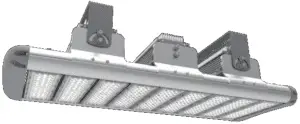
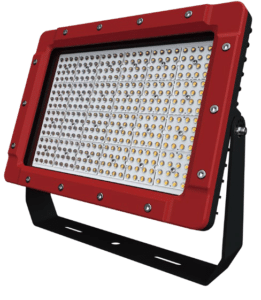
FFD High-Temp
Brand: FY Lighting
High temperature resistant up to 90°C; Operating Temp: -40°F – +149°F (-40°C – +65°C)
Explosion-proof structure, suitable for hazardous location
Class I Division 2, Groups A, B, C and D; up to 30,000 lumens; 100/120/130/150/160/180/ 200W; Prices start at $350.
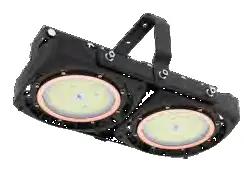
HB series
Brand: Venas
158°F (70°C); Up to 90,000 lumens; 100/150/200/ 300/400/450/600W.
Prices start at $350.
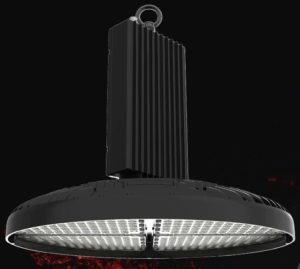
OHL
Brand: AOK
op. temp.-40 to 65°C
0-10V dimming; up to 22,500 lumens; 100/150W;
Prices start at $325.
What Is High-Temperature LED High Bay Lighting?
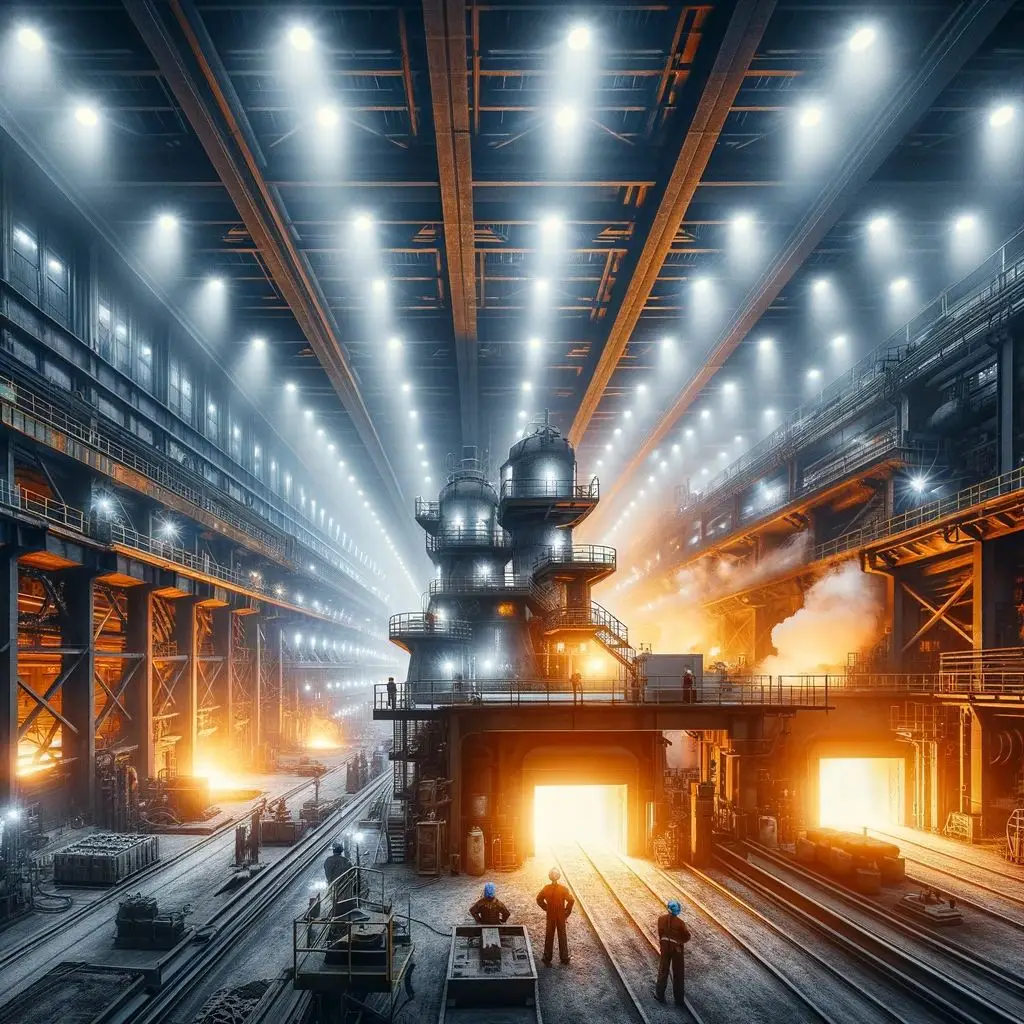
High-temperature LED high bay lighting is designed for industrial environments where ambient temperatures exceed the operating limits of standard fixtures. These luminaires use advanced thermal management and heat-rated components to maintain performance, reliability, and light output in extreme heat conditions.
When to Use High-Temperature LED High Bay Lights
High-temperature LED high bay lighting is required when ambient heat or radiant sources exceed the safe operating limits of standard lighting systems.
In addition, specify high-temperature high bay lighting when a facility has:
-
-
Continuous thermal exposure impacting electronics
-
Difficult or costly maintenance access
-
Long operating hours in heat-intensive zones
-
Explore common High Temp High Bay applications for foundries, steel mills, manufacturing facilities, and industrial processing plants.
For typical warehouse environments without elevated heat exposure, see our LED High Bay Lighting solutions.
Typical High-Temperature High Bay Specifications
-
Wattage Range: 150W–500W
-
Lumen Output: 20,000–60,000+ lumens
-
Operating Temperature Rating: Elevated ambient heat tolerance
-
Thermal Design: Reinforced passive heat sinks or advanced thermal isolation
-
Driver Protection: High-temperature-rated electronic components
-
Ingress Rating: IP65+ for dust and debris protection
-
Mounting: Hook, pendant, or surface mount
Standard vs High-Temperature LED High Bay
High-temperature LED high bay lighting is specifically engineered for extreme heat environments, while standard high bay fixtures are designed for typical industrial conditions and may fail prematurely when exposed to sustained high temperatures.
Industrial facilities exposed to elevated temperatures require lighting solutions designed for specific operating conditions. High Temperature High Bay Applications for Industrial & Commercial LED Lighting explains where these fixtures are commonly used and why they improve long-term reliability.
| Feature | Standard LED High Bay | High-Temperature LED High Bay |
|---|---|---|
| Ambient Rating | Designed for typical industrial temperatures | Rated for sustained elevated heat |
| Thermal Strategy | Conventional passive cooling | Enhanced heat dissipation & heat-rated components |
| Driver Protection | Standard industrial drivers | High-temp-rated driver systems |
| Lumen Stability | May degrade under heat stress | Maintains output under prolonged heat |
| Maintenance Risk | Higher risk in extreme heat | Reduced heat-related failure |
| Typical Use | Warehouses, logistics |
Foundries, mills, kilns
|
For hazardous environments where flammable gases or vapors are present, explore our explosion-proof high bay lighting solutions designed for classified locations.
High-Temperature Planning & Selection
How are high-temperature high bays specified?
Selection is based on measured ambient temperature ranges, proximity to radiant heat sources, and expected duration of thermal exposure. Fixture ratings must exceed environmental heat conditions to ensure reliability. A deep dive into industrial lighting for extreme temperature environments
Why is thermal management critical?
Thermal stress directly impacts LED lifespan, lumen maintenance, and driver stability. Advanced heat dissipation protects internal electronics and ensures long-term performance.
How are lumen levels determined?
Lumen requirements depend on mounting height, layout, and task visibility needs. High-heat environments often require stable high-output fixtures to maintain consistent illumination.
When is inspection recommended?
Periodic visual inspection and thermal evaluation are recommended in extreme environments to confirm seals, heat sinks, and drivers remain within rated thresholds.
LED high-temperature high bay lighting often works in tandem with other industrial lighting systems — from standard high bay and vapor tight fixtures to explosion-proof and area lighting solutions — ensuring consistent, reliable illumination across facilities with diverse environmental and operational needs.
Buyer Q&A: Selecting High-Temperature LED High Bay Lighting
How do I determine what temperature rating my LED high bay requires?
Start with the actual ambient temperature at the fixture mounting location, not just the general temperature of the facility. Heat can accumulate near ceilings, furnaces, process equipment, and roof structures, creating significantly higher temperatures where the fixtures operate. Select a high bay with an ambient operating rating that safely covers those conditions.
What should I verify before requesting high-temperature high bay pricing?
Provide the maximum ambient temperature at fixture height, mounting height, required light output, voltage, mounting method, operating hours, and environmental conditions. Also identify exposure to dust, moisture, vibration, corrosive materials, or washdown conditions that may affect fixture selection.
How much temperature headroom should I consider when selecting a fixture?
Avoid selecting a fixture whose maximum temperature rating merely matches the expected operating temperature. Industrial temperatures can fluctuate with production cycles, seasonal conditions, and heat-generating equipment. Providing reasonable operating headroom can help protect drivers and LED components from sustained thermal stress.
Can high-temperature LED high bays replace metal halide or HID fixtures?
Yes. High-temperature LED high bays can replace metal halide and other HID fixtures in many industrial applications while reducing energy consumption and maintenance requirements. Fixture wattage, lumen output, optical distribution, mounting height, and existing light levels should be evaluated before determining the appropriate replacement.
Do I need a lighting layout for a high-temperature industrial facility?
For larger facilities, a photometric lighting layout can help determine fixture quantities, spacing, mounting heights, and expected light levels before installation. This is especially useful in facilities with tall ceilings, production equipment, aisles, machinery, or other structures that may affect light distribution.
Need Help Selecting High-Temperature LED High Bay Lighting?
Extreme industrial heat requires lighting specifically engineered for elevated ambient temperatures. We can help evaluate temperature ratings, lumen output, wattage, mounting height, optical distribution, voltage, and environmental requirements for demanding industrial applications.
Whether you are replacing HID fixtures or designing lighting for a new steel mill, foundry, manufacturing plant, furnace area, or other high-heat facility, proper fixture selection can improve reliability while reducing maintenance and energy costs.
👉 Explore High-Temperature LED High Bay Lighting Solutions or call 1-844-533-7767 to discuss your industrial lighting project.
FAQs About High-Temperature LED High Bay Lighting
What temperature is too high for standard LED high bays?
Most standard LED high bays are designed for typical industrial ambient temperatures, commonly with maximum operating ratings around 40°C or 50°C depending on the fixture. Environments with sustained temperatures above the specific fixture rating require lighting designed and rated for higher ambient temperatures.
What happens if standard LED high bays are used in extreme heat?
Operating an LED fixture above its rated ambient temperature can increase thermal stress on LEDs, drivers, seals, and other electronic components. This may contribute to accelerated lumen depreciation, premature driver failure, color shift, and reduced fixture service life.
Are high-temperature LED high bays energy efficient?
Yes. High-temperature LED high bays can provide substantial energy savings compared with legacy metal halide and other HID lighting while delivering reliable illumination in elevated-temperature environments.
Where are high-temperature high bays commonly used?
Common applications include:
- Steel mills
- Foundries
- Glass manufacturing plants
- Furnace and kiln areas
- Smelting facilities
- Power generation facilities
- Heavy manufacturing plants
- Other high-heat industrial processing areas
High-temperature requirements can vary significantly within the same facility, so ambient temperature should be evaluated at the actual fixture mounting locations.
Stay Connected with Our Lighting Resources
Add IndustrialLightingFixtures.org as a Preferred Source on Google to see more of our lighting guides and technical resources across Google Search experiences.

Related High-Temperature & Industrial Lighting Resources
Continue evaluating lighting for demanding industrial environments with these related high bay, extreme-temperature, and facility-lighting resources:
- Extreme Temperature LED Lighting Guide — Review the effects of extreme heat and cold on LED fixtures and the factors that influence lighting reliability in demanding industrial environments.
- LED High Bay Lighting — Compare commercial and industrial LED high bay solutions for warehouses, manufacturing facilities, production areas, and other high-ceiling applications.
- Industrial LED Lighting — Explore industrial lighting solutions for manufacturing plants, warehouses, processing facilities, heavy industry, and other demanding applications.
- High-Temperature High Bay Fixtures — Explore LED high bay fixtures engineered specifically for elevated ambient temperatures and high-heat industrial operating conditions.