
LED aircraft warning lights are aviation obstruction lighting systems designed to mark tall structures, communication towers, cranes, rooftops, wind turbines, and industrial facilities. Engineered to meet FAA and international aviation visibility standards, these high-intensity LED fixtures enhance airspace safety and regulatory compliance in commercial, municipal, and industrial environments.
With long service life, weather-resistant housings, and low energy consumption, LED aircraft obstruction lights provide dependable performance in mission-critical installations.
Tall structures requiring airspace marking remain part of the extended responsibility of commercial lighting infrastructure.
This guide explains when aircraft warning lighting is required, typical technical parameters, and how LED systems are selected to meet safety and regulatory requirements.
LED Aircraft Warning Lights
Ensure the safety of aircraft and compliance with FAA regulations using our reliable aviation obstruction lights and aircraft warning lights. Our FAA lighting solutions are designed to provide effective obstruction lighting for tall structures, such as towers, high-rise buildings, and wind turbines, promoting visibility and preventing accidents.
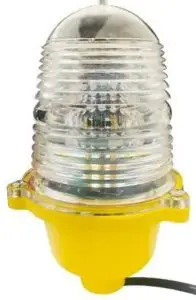
ZL Single
Brand: Plusafe
L-810 Low-Intensity; Steady burning; Flash available;Red color; Photocell built-in; 2/3/5/6/10W; 10cd, steady;
ICAO: low intensity type A; FAA:
Prices start at $285.
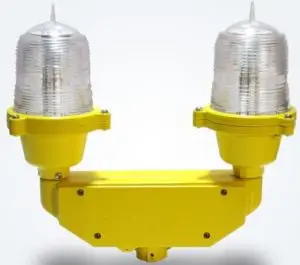
ZL Double
Brand: Plusafe
L-810; Low Intensity Type A/B; 100cd; Double light; auto-transfer to “standby light” in case of “service light” failure;
Prices start at $395.
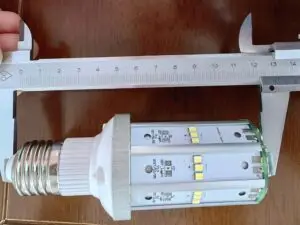
E27 Bulbs
Brand: Plusafe
High Power SMD LEDs; 10cd; 32cd, 50cd, 200cd; Flash frequency 40fpm
Steady burning Adj. switch; Photo Sensor Built-in; Prices start at $85.
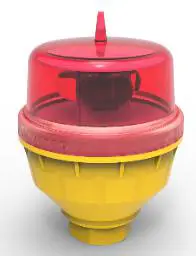
AH-LI-B2
Brand: Anhang
Low-intensity FAA L810 Single
steady burning aviation obstruction
light; Optional NVG; Bird deterrent spike on top; Prices start at $285.
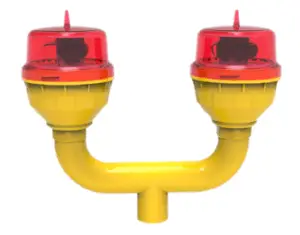
AH-LI-D2
Brand: Anhang
Low-intensity Double light steady burning aviation obstruction light; Main-standby mode even if one light fails; Optional NVG; Bird deterrent spike; Prices start at $395.
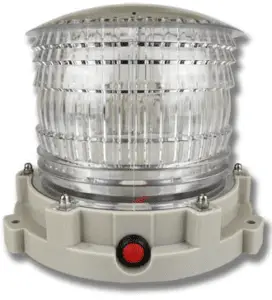
SL10
Brand: Plusafe
Solar Aviation Obstruction Lights
Very portable; Autonomy more than
7 days without sunshine; 1.5Watts
Red, blue, green, yellow, white;
Flash 10 days; Fixed 7 days;
Light intensity: >30cd nighttime;
Output: 360° horizontal;
Prices start at $275.
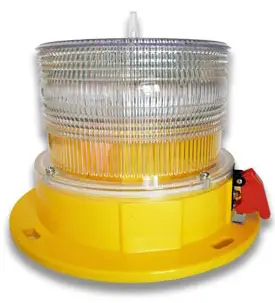
OB
Brand: Plusafe
Solar Aviation Obstruction Lights
solar panel and battery; available 10cd and 32cd type; Prices start at $350.
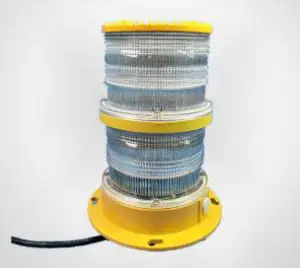
ZL20K-AB
Brand: Plusafe
dual model is a medium intensity
flashing red/white; dual LED obstruction beacon; Prices start at $300.
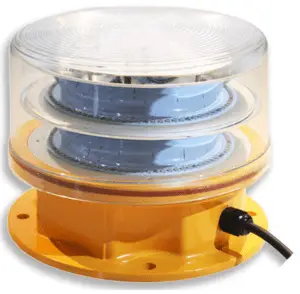
L-865 CM
Brand: Plusafe
Medium Intensity-Type A; White; Intensity 2000 cd; Medium intensity type C; Medium intensity type B;
FAA Type L864; Prices start at $1270.
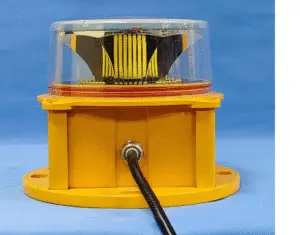
MIOL-AB LED Medium Intensity Beacon
Brand: Plusafe
FAA L-865/864 dual type; Medium Intensity Beacon; 2000cd red flashing nighttime (GPS) Synchronized flashing
Prices start at $550.
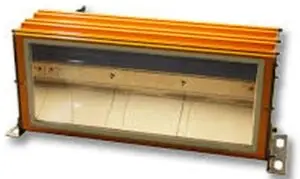
L-856
Brand: Plusafe
High Intensity Aviation Obstruction Lights; FAA L-856/L-857 Type,
ICAO High Intensity Type A/B,
White flashing; Photo sensor device included. Prices start at $400.
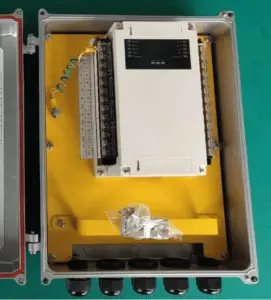
ZL-CB
Brand: Plusafe
designed to manage and monitor obstruction lighting on tall structures
Prices start at $500.
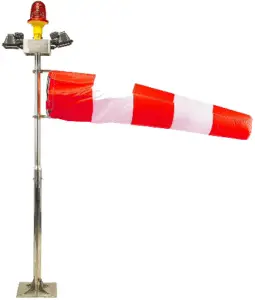
Airport Windsock
Brand: Plusafe
The lighted vane can indicate the
wind direction in the approach and take-off area and make a general indication of the wind speed; Prices start at $1200.
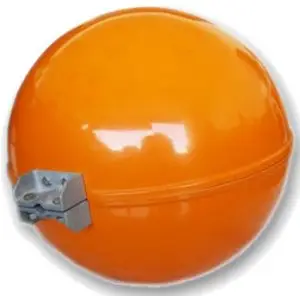
Sphere Power Line Marking
Brand: Plusafe
Aircraft warning sphere power line marking for electricity transmission lines; Orange, Red, White-orange, White-red, White in 400mm or 800mm; Prices start at $395.
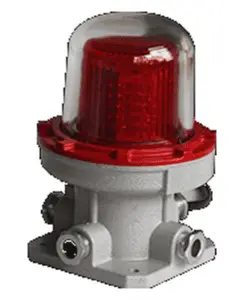
GYZD81
Brand: Crown
Explosion Proof Obstruction Light
Ideal for offshore and onshore in the oil, gas and petrochemical industries, IP66; Low Intensity (GYZD81-I) and
Medium Intensity (GYZD81-II) models; Application: Zone 1, 2 & 21, 22, optional solar panel; Prices start at $250.
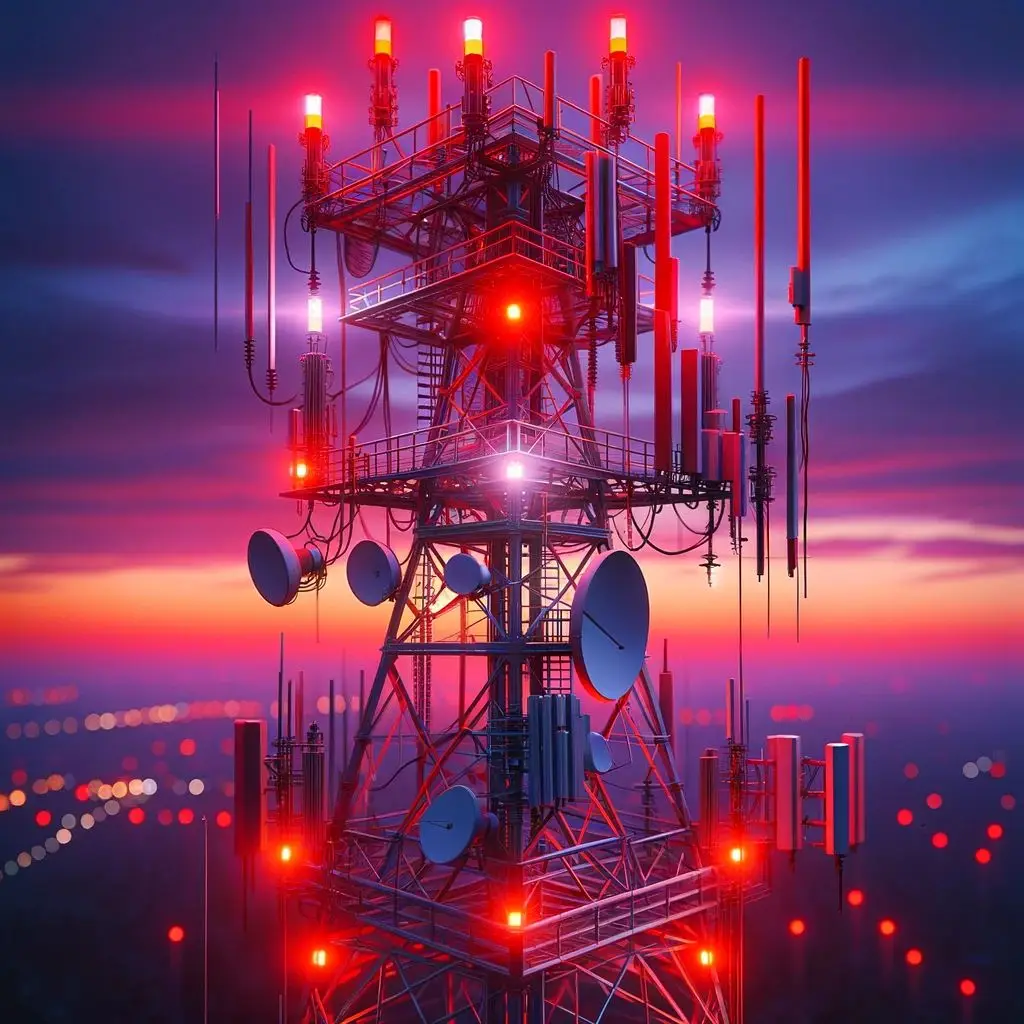
What Are LED Aircraft Warning Lights?
Aircraft warning lights are specialized aviation luminaires installed on elevated structures to alert pilots of potential obstructions. These systems use high-intensity LED modules to ensure 360-degree visibility during day and night conditions, reducing collision risk and supporting aviation safety regulations.
Many aviation lighting projects combine heliport lighting systems with aircraft obstruction visibility lighting for elevated structures.
When to Use LED Aircraft Warning Lights
LED aircraft warning lights are specified when structures exceed height thresholds or are located in controlled airspace where aviation regulations require marked obstruction lighting. Typical conditions include:
-
Structures taller than minimum regulation heights in FAA, ICAO, or local guidance
-
Elevated platforms, stacks, or rooftop applications that penetrate navigable airspace
-
Crane operations near airfields or in urban construction environments
-
Wind turbine installations subject to obstruction marking codes
-
Communication towers or antenna masts with structural prominence
Facilities operating rooftop heliports may also integrate LED heliport lighting systems alongside aircraft obstruction lighting to ensure complete aviation safety compliance.
Rooftop heliport lighting solutions are commonly used for hospitals, emergency response facilities, and elevated aviation landing environments.
Types of Aircraft Obstruction Lighting
Low-Intensity Obstruction Lights
Used for shorter structures and perimeter marking. Where utility power is unavailable or impractical, the AH-LS-A1 solar L-810 compliant obstruction light provides a self-contained option for towers, cranes, rooftops, and other remote structures.
Medium-Intensity Aviation Lights
Common for commercial rooftops and communication towers.
High-Intensity Warning Lights
Required for tall towers, broadcast masts, and high-risk structures.
Steady-Burn vs Flashing Systems
Selected based on regulatory requirements and structure height.
Aircraft warning lights are used across many structure types, including towers, buildings, wind turbines, cranes, and industrial facilities. Learn more in our Applications for Aviation Warning Lights guide.
Typical Aircraft Warning Light Specifications
Flash / Beacon Intensity: Rated candela output based on obstruction category
Light Color: Aviation-specified colors (e.g., red, white) depending on day/night requirements
Mounting Options: Surface, bracket, or pole mount depending on structure type
Control Interfaces: Photocontrol, synchronization units, and monitoring systems
Environmental Ratings: Weatherproof housings (IP65+) for long-term outdoor exposure
Certifications / Compliance: Compliance with FAA Advisory Circulars, ICAO Annex guidance, and other relevant local codes
| Topic | FAA-Oriented Installations | ICAO-Oriented Installations |
|---|---|---|
| Regulatory Scope | Primarily applies within United States airspace and territories | Applied internationally across member states and civil aviation authorities |
| Intensity Categories | Systems typically grouped by obstruction type and structure height | Systems defined by obstacle classification and operational environment |
| Color Usage | Red or white depending on day/night strategy | Red or white depending on medium or high intensity systems |
| Installation Philosophy | Emphasis on clear identification of obstruction profile | Emphasis on long-range visibility and pilot recognition |
| Approval Authority | FAA or delegated aviation authority | National aviation authority aligned with ICAO guidance |
| Condition | Typical Approach |
|---|---|
| Daytime | Higher intensity output or white strobes to compete with sunlight |
| Twilight / Transition | Automated switching based on photocell or ambient sensing |
| Nighttime | Reduced intensity, often red obstruction lighting to maintain visibility without excessive glare |
| Configuration | Operational Impact |
|---|---|
| Synchronized Flashing | Improves structure recognition, reduces pilot confusion, often required for multi-level installations |
| Non-Synchronized | May be acceptable on smaller or isolated structures where pattern coordination is not mandated |
| Networked Monitoring | Enables centralized status reporting and faster maintenance response |
FAA heliport lighting requirements help define safe helicopter landing operations for hospitals, rooftop heliports, offshore platforms, and emergency response facilities.
Aircraft Warning Lighting Planning & Selection
How are aircraft warning lights specified for tall structures?
Aircraft warning lighting is specified by evaluating structure height, location relative to air traffic routes, and applicable aviation safety standards. Regulatory guidance documents set out minimum intensity and color requirements, as well as the number and placement of fixtures.
In large industrial complexes, obstruction lighting often works in coordination with broader commercial outdoor lighting systems to enhance perimeter visibility.
Why are synchronized flashing systems important?
Synchronized flashing systems ensure that multiple lights on the same structure operate in coordinated patterns, enhancing visibility while minimizing visual confusion for pilots. Synchronization is often required in multi-fixture installations.
How do control systems influence performance?
Lighting control systems include photocontrols for automatic day/night switching, remote monitoring for fault detection, and integration with facility management platforms. These systems ensure continuous compliance with safety requirements and reduce maintenance response time.
When should aircraft warning lighting be inspected?
Routine inspection is recommended to verify lamp operation, mounting integrity, and control system performance. Visual and functional checks should align with regulatory inspection schedules and facility safety programs.
For a complete overview of aviation obstruction lighting systems and safety requirements, see our Aircraft Warning & Aviation Lighting Guide.
FAQs About Aircraft Warning Lights
1️⃣ What are LED aircraft warning lights used for?
LED aircraft warning lights are installed on tall structures such as towers, rooftops, cranes, and wind turbines to alert pilots of potential obstructions and reduce collision risk.
2️⃣ Do aircraft warning lights need to be FAA compliant?
Yes. In many jurisdictions, obstruction lighting must meet FAA or equivalent aviation authority standards depending on structure height and location.
3️⃣ What is the difference between low, medium, and high-intensity obstruction lights?
Intensity classification is determined by structure height and aviation risk. Higher structures typically require medium or high-intensity flashing systems.
4️⃣ Can LED aircraft warning lights withstand harsh weather?
Commercial aviation obstruction lights are engineered with IP-rated enclosures and corrosion-resistant materials for use in coastal, offshore, and industrial environments.
5️⃣ How long do LED aircraft warning lights last?
Most LED aircraft obstruction lights are rated for 50,000+ hours, reducing maintenance compared to legacy incandescent systems.
6️⃣ Are monitoring systems required?
Certain installations require remote monitoring and alarm systems depending on aviation authority regulations.
Protect Airspace & Ensure Compliance with Aviation-Grade LED Obstruction Lighting
When marking towers, rooftops, cranes, or industrial structures, aviation safety is not optional. Our commercial LED aircraft warning lights deliver high-visibility performance, regulatory compliance, and long-term durability in mission-critical environments.
Reduce maintenance. Improve safety. Meet aviation standards.