Class 1 Division 2 LED Lighting for Hazardous Industrial Environments
Class 1 Division 2 LED lighting refers to LED luminaires designed for hazardous environments where flammable gases or vapors are not normally present but may occur occasionally under abnormal conditions. These fixtures are engineered with rugged housings and safety-tested components that prevent internal ignition sources from igniting surrounding atmospheres. Class 1 Division 2 LED lighting is commonly specified in manufacturing areas, industrial storage zones, and process spaces where classification calls for Division 2 compliance under NEC, UL844, ATEX, or IECEx standards.
Division 2 areas fall within the broader classification of explosion-proof LED lighting, where the likelihood of hazardous exposure determines fixture design and certification requirements.
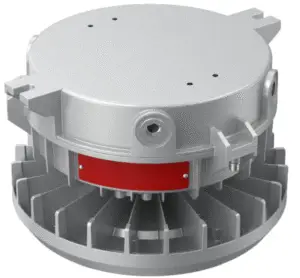
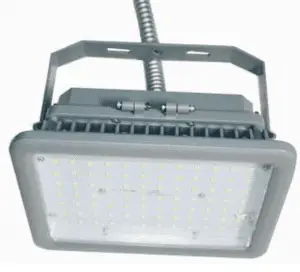
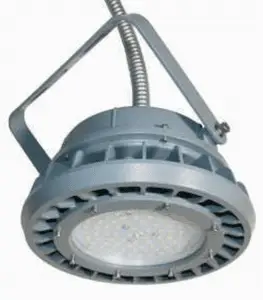
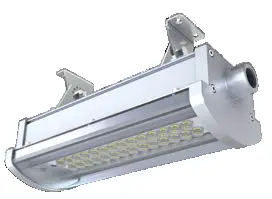
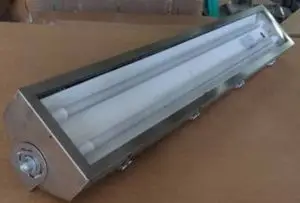
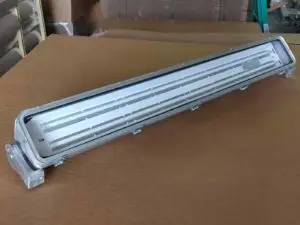
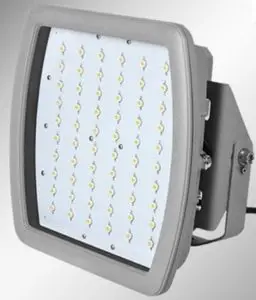
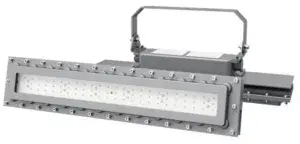
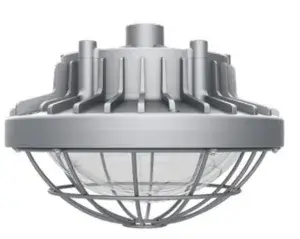
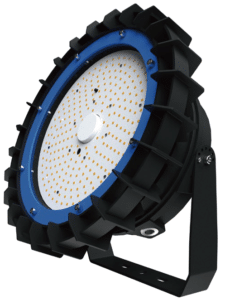
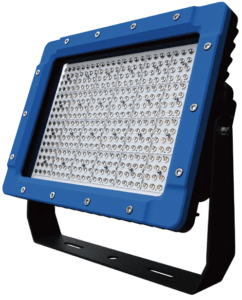
Class 1 Div 2 LED Fixtures
In facilities with adjacent hazardous zones, Class 1 Division 2 lighting is often coordinated with Division 1 systems or explosion-proof fixtures to create a seamless safety strategy across areas with varying levels of exposure risk.
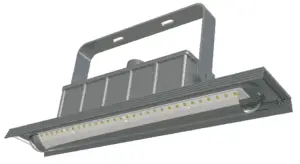
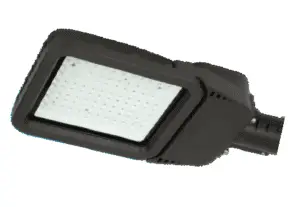
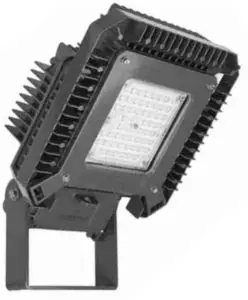
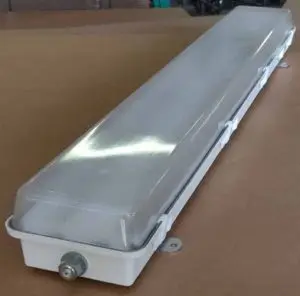
HA05 Series Brand: AGC Low and High Bay Flood Light, Marine, and Wet Locations; 100/150/240W Price starts at $395.
B Series Brand: Flood Lights; Spotlight, Tunnel Light, Up to 50,000 lumens; Marine and Wet Locations; 40/60/80/100/120/ 150/200W; Price starts at $385.
Type FLF Brand: Low Bay Linear; 5 different lengths; for marine environments; rugged, salt water, up to 14,000 lumens; 10/20/30/40/50/ 60/70/80/90/100W; Price starts at $300.
IR1 series Brand: IRL LED Linear – 2ft, 4ft Ideal for marine wet & damp locations; corrosion-resistant 17/35/40/54/60W; Made in the USA; Prices start at $400.
IR3 series Brand: IRL UL 1598A Outdoor Marine (Saltwater); Meets Coast Guard Specs; Enclosed and gasket; Corrosion resistant, marine grade, copper-free extruded aluminum; Made in USA; Price starts at $400.
EX-LN Brand: Ledsion High transmission tempered glass, 120° beam angle; UL cUL DLC; Up to 8,400 lumens; 4ft length; available in 60W; Prices start at $300
J series Brand: CES Flood light; Class 1 Div UL844 / UL1598 /UL1598A Marine; UL8750; CSA C22.2 20/30/40/60/80/100/ 120/150/180/200W; Prices start at $325.
Class 1 Division 2 LED lighting is designed for hazardous locations where flammable gases or vapors are not normally present but may occur under abnormal conditions such as leaks or equipment failure. These fixtures are engineered to prevent ignition by safely operating in environments with occasional exposure to hazardous materials.
Under the National Electrical Code (NEC), Class 1 Division 2 classifications apply to environments where hazardous substances are contained during normal operations but could be released under abnormal conditions. Fixtures used in these locations must meet defined safety and certification standards, such as UL844, while providing reliable performance in industrial environments with controlled but potential hazard exposure.
These LED luminaires often carry UL844 certification in North America and may also be ATEX or IECEx certified for international use. Their containment design, paired with the benefits of LED efficiency and longevity, makes them ideal for industrial spaces where safety and regulatory compliance coexist with lower-frequency hazard exposure.
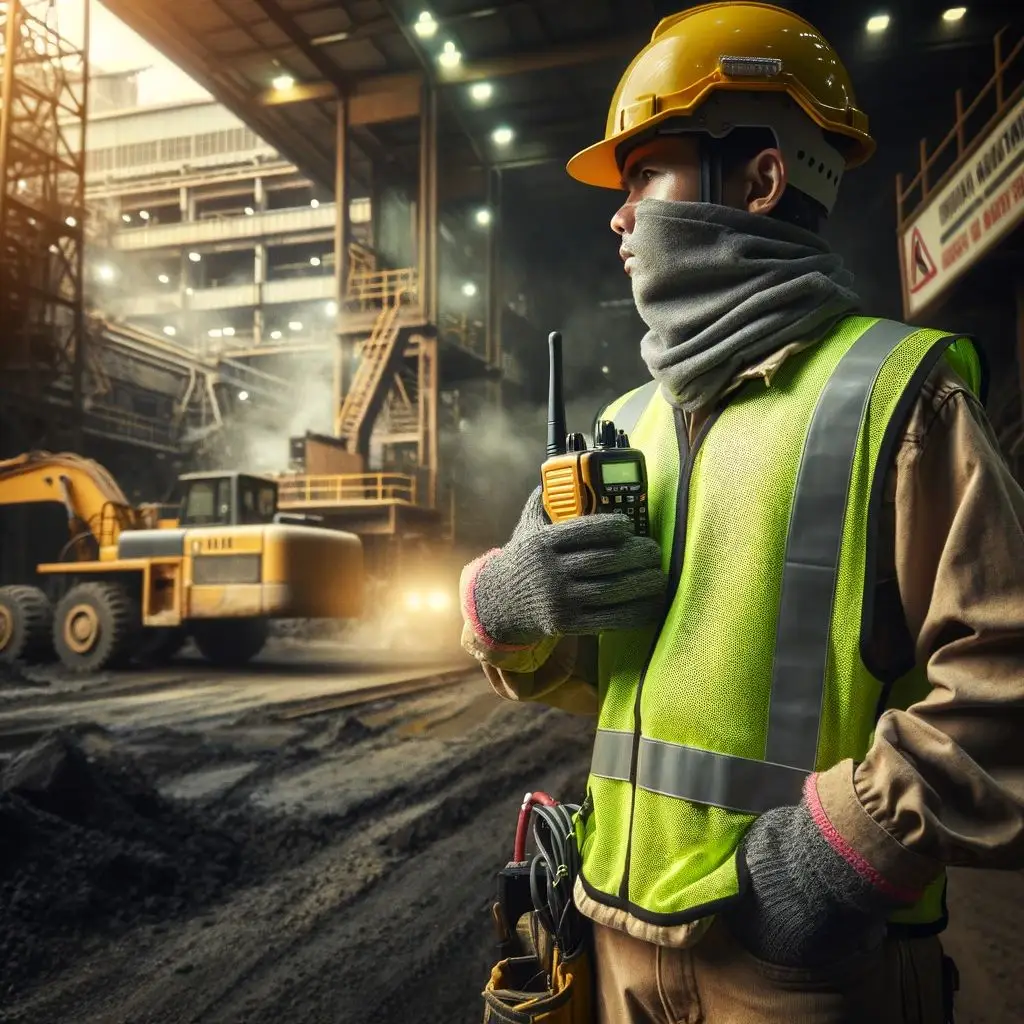
Class 1 Division 2 LED lighting finds applications across industrial environments where flammable atmospheres are not continuously present but could arise under abnormal circumstances, including:
Industrial storage areas containing volatile materials
Manufacturing zones adjacent to hazardous processes
Pump rooms and mechanical equipment enclosures
Fuel transfer and handling areas
Maintenance bays near solvent or chemical storage
Compressors and auxiliary equipment rooms
These fixtures provide energy-efficient, durable illumination in environments where occasional vapor release or system faults may occur, while still meeting hazardous location safety requirements.
Table 1 — Class I Division 1 vs Division 2 Comparison
Class 1 Division 2 lighting is used in environments where hazardous gases or vapors are only present under abnormal conditions. In contrast, Class 1 Division 1 lighting is required where hazardous materials are present during normal operations. Division 2 fixtures are designed for lower-risk environments, while Division 1 fixtures require more robust containment and stricter safety standards.
Class I Division 1
Class I Division 2
Hazard Presence
Flammable gases or vapors are present during normal operations
Flammable gases or vapors are not normally present but may occur under abnormal conditions
Frequency of Exposure
Continuous or frequent
Infrequent or accidental
Safety Requirement Level
Highest containment requirement
Moderate containment requirement
Fixture Construction
Fully explosion-proof enclosure required
Enclosed, non-incendive, or explosion-proof depending on design
Typical Cost Range
Higher due to stricter design requirements
Generally lower than Division 1
Design Approach
Prevent ignition under normal operation
Prevent ignition under abnormal conditions
Frequently Asked Questions About Class 1 Div 2 LED Lighting
1. How does Class 1 Division 2 LED lighting differ from Class 1 Division 1?
Class 1 Division 2 LED lighting is designed for environments where flammable gases or vapors are not present during normal operations but may appear under abnormal conditions. Division 1 fixtures are engineered for continuous presence of hazardous atmospheres. Class I Division 1 lighting requirements for continuous hazard environments.
2. What certifications should Class 1 Division 2 LED fixtures carry?
Class 1 Division 2 LED fixtures should carry UL844 certification in North America, and may also have ATEX or IECEx approvals for international applications. Fixtures must also display their Class, Division, and temperature ratings.
3. Can Class 1 Division 2 lighting be used in outdoor industrial areas?
Many Class 1 Division 2 LED fixtures are designed with high environmental protection and appropriate IP ratings, making them suitable for both indoor and outdoor industrial locations — provided the classification applies and local codes permit outdoor use.
Certified LED Lighting for Class I Division 2 Environments
Engineered for hazardous vapor locations where flammable gases may be present under abnormal conditions, our industrial LED lighting solutions deliver compliance, durability, and operational reliability.