LED Cold Storage Lighting Solutions for Refrigeration and Freezer Facilities
Cold Storage Lighting Overview
LED cold storage lighting refers to engineered LED luminaires specifically designed to deliver reliable, high-performance illumination in refrigerated warehouses, walk-in freezers, and other low-temperature industrial environments. These fixtures are optimized to operate in sustained sub-ambient conditions while maintaining consistent lumen output, color quality, and long-term driver reliability.
Properly specified LED cold storage lighting improves worker visibility, enhances safety, and supports operational efficiency in logistics hubs, food processing facilities, pharmaceutical storage environments, and temperature-controlled distribution centers.
Because cold environments affect heat dissipation and electrical component performance, cold storage lighting must be selected with thermal resilience, sealed construction, and moisture resistance in mind. These systems are often integrated within broader industrial lighting strategies where durability and reliability are critical.
This guide explains when LED cold storage lighting is required, key technical considerations for low-temperature applications, and how fixtures are selected to maintain performance in freezer and refrigerated environments.
Why LED Technology Performs Well in Cold Environments
Unlike traditional HID or fluorescent systems, LED fixtures perform efficiently in low temperatures and often experience improved efficacy in cooler ambient conditions. When engineered properly, LED cold storage lighting maintains lumen stability and avoids common issues such as delayed startup or reduced output found in legacy lighting technologies.
When to Use LED Cold Storage Lighting
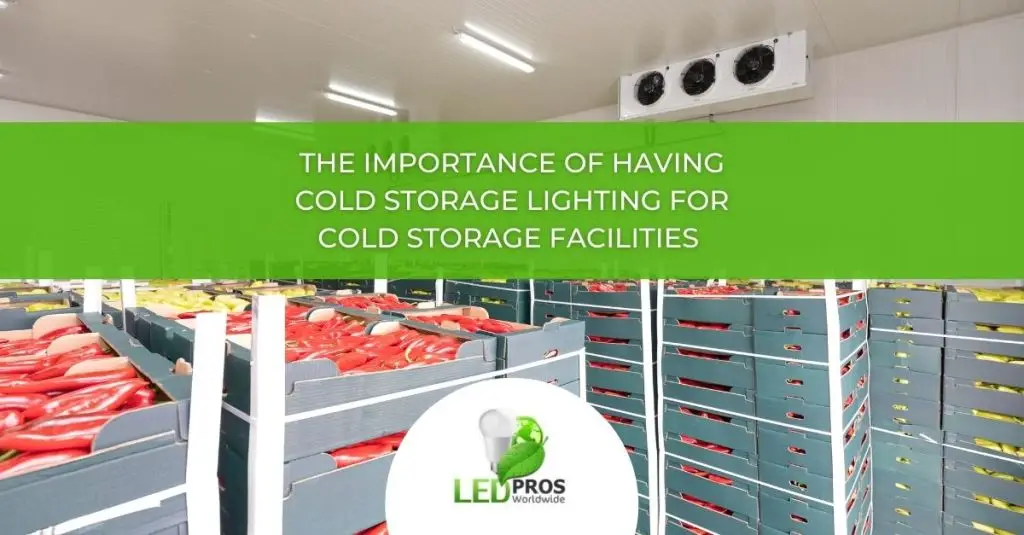
LED cold storage lighting is specified when environmental conditions regularly fall well below standard ambient temperatures, such as:
-
Refrigerated warehouses holding perishable inventory
-
Freezer facilities requiring sub-zero operation
-
Food processing and packaging areas with washdown conditions
-
Pharmaceutical and biotech storage zones needing controlled illumination
-
Distribution centers with cold zones adjacent to ambient-temperature areas
Food processing and refrigerated storage facilities may also require NSF-certified LED lighting for sanitary environments to comply with hygiene and material safety standards.
Typical Cold Storage Lighting Specifications
Ambient Temperature Rating: Designed for sustained operation at refrigerated and sub-zero temperatures
Light Output: High-output LED configurations suitable for high-bay and racking areas
Optical Distribution: Precise beam control for uniformity and minimized glare
Construction: Corrosion-resistant housings with sealed optics and gaskets
Control Compatibility: Dimming and integration with lighting management and sensors
Ingress Protection: IP65+ for moisture, condensation, and washdown exposure
Cold Storage Lighting Planning & Selection
How are cold storage LED fixtures specified?
Cold storage fixtures are specified based on expected operating temperature, environmental conditions (e.g., condensation, moisture, washdown protocols), and required illumination levels. Temperature ratings, material durability, and control compatibility are evaluated to ensure long-term performance and compliance with facility requirements.
Why is temperature rating important for LED performance?
LED performance and driver reliability are influenced by ambient temperature. Fixtures rated for cold storage maintain consistent lumen output, color stability, and electrical performance in sub-ambient environments, reducing the risk of premature failure.
What role does optical distribution play?
Optical distribution determines how uniformly light is delivered across aisles, storage racks, and working zones. Proper beam angles and shielding help eliminate dark spots and improve visibility for picking, stocking, and inspection tasks.
When should lighting controls be integrated?
Lighting controls such as occupancy sensors, daylight harvesting, or scheduling may be integrated to optimize energy use and comply with energy codes. Controls should be specified to operate reliably at low temperatures and with the facility’s operational cadence.
Common Applications
Where LED Cold Storage Lighting Is Used
-
Commercial cold storage warehouses
-
Food processing and packaging facilities
-
Pharmaceutical refrigeration and storage
-
Walk-in coolers and freezers
-
Supermarket refrigerated cases and aisles
-
Refrigerated distribution centers
Technical Requirements for LED Cold Storage Lighting
Key Technical Considerations
-
Low-temperature LED performance (no derating)
-
Moisture resistance (IP65/IP66)
-
Vapor-tight construction
-
Thermal management in cold zones
-
Impact on CRI & color stability
| Temp Range | Recommended Fixture Types | Notes |
|---|---|---|
| 32°F – 50°F | Standard cold-rated LED high bays | Refrigerated zones |
| 0°F – –20°F | Freezer-rated LED fixtures | Sub-zero performance |
| –20°F and below | Ultra-cold LED systems with sealed optics | Extreme environments |
Available Cold Storage Lighting Fixtures
Optimize your cold storage lighting with our range of coolroom lights designed specifically for low-temperature environments. Our cool room LED light fittings provide reliable, energy-efficient illumination, ensuring the safety and productivity of your cold storage facilities while reducing maintenance costs.
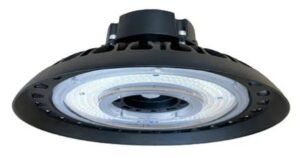
X-TUHB
Brand: LightingX
Marine-Grade Matte Powder Coating UFO high bay cold storage and coolroom lighting. Op.Temp of -22°F to 122°F; up to 54,400 lumens; Tunable wattage and CCT; 100/150/240/320W; Prices start at $300.
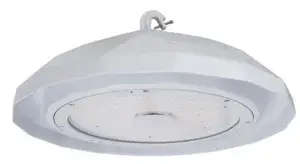
Lena
Brand: Beyond LED
NSF certified for food processing and food safe environments, commercial kitchens and manufacturing facilities, car washes; Op.Temperature of -40C ~55C; up to 30,000 lumens; 150/200W; Prices start at $300.
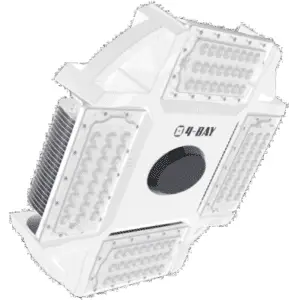
4 Bay
Brand: G-Comin
Modules rotate up to 200 degrees; Op.Temperature of -40C ~55C; up to 76,800 lumens; 100/150/200/240/300/400/480W; Prices start at $400.
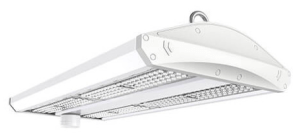
HB
Brand: FY
NSF Linear High Bay
Food, Splash, Non-Food Zones; NEMA4X, IP69K, NSF, 1500 PSI Hose Down, Op. Temp: -40C to 55C; UL, CE, DLC;
80/120/160/200/300W.
Prices start at $300.
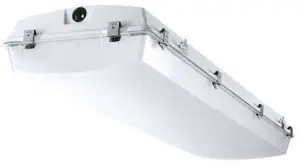
ILW
Brand: Atlas
NSF Industrial LED Linear
Wet Location; Tri-Proof;
NEMA4X, IP65, IP66 & IP67,
IP69K,(2ft only), NSF,
1500 PSI Hose Down,
UL, cUL, DLC; 2ft and 4ft;
Made in USA; 76/98/130/190W.
Prices start at $400.

Halo-F
Brand: G-Comin
high-pressure, water, steam resistant; Op.Temp: -40C ~55C; IP69K; up to 38,400 lumens
50/80/100/150/200/240W;
Prices start at $300.
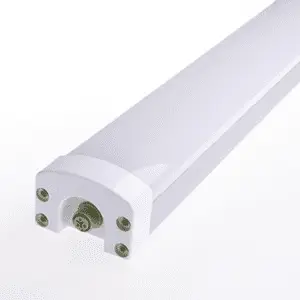
TP
Brand: Ledsion
Tri-Proof 4ft; IP65
Water-proof, Dust-proof, Damp-proof, -30°C to +60°C;
connected in a series; 180-degree beam angle; 5,000 lumens; UL, CUL, DLC;
Prices start at $225.
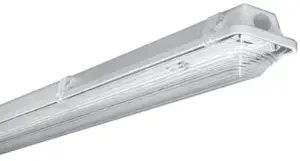
Daisy14
Brand: Crystal
LED Vapor Tight 4ft
food processing facilities; Op.temp.-30°C to +60°C;
IP67; waterproof, dustproof;
5.545 lumens; DLC; Made in USA; 40/ 56W.
Prices start at $300
Key Considerations for LED Cold Storage Lighting
Cold storage environments introduce unique performance demands due to sustained sub-zero temperatures, humidity fluctuations, and condensation exposure. LED cold storage lighting must be engineered with proper thermal management, sealed housings, and drivers rated for low-temperature operation to maintain consistent output and long service life.
When specifying cold storage LED fixtures, consider:
-
Temperature Rating: Fixtures must be rated for the lowest ambient temperature of the facility.
-
Lumen Output: Illumination levels should align with task requirements and mounting height.
-
Ingress Protection (IP Rating): IP65 or higher is recommended for moisture resistance.
-
Mounting Configuration: Surface, suspended, or high bay configurations should match ceiling height and layout.
-
Energy Efficiency: High lumens-per-watt performance reduces operational costs in continuously operating refrigerated facilities.
Cold storage facilities with high condensation levels often require vapor-tight LED lighting solutions for moisture-prone environments to prevent moisture intrusion and maintain long-term reliability.
Smart Controls & Energy Optimization
Modern LED cold storage lighting can integrate occupancy sensors and networked controls to reduce energy consumption during low-activity periods. Because LED technology performs efficiently in cold conditions, combining low-temperature performance with intelligent controls maximizes long-term energy savings without compromising visibility.
Frequently Asked Questions About LED Cold Storage Lighting
1. Do LED cold storage lights perform well in sub-zero temperatures?
Yes. Properly engineered LED cold storage lighting is designed to operate reliably in sub-zero environments, often rated for temperatures as low as -20°F to -40°F or lower. Unlike fluorescent or HID systems, LED fixtures typically maintain stable output and may even perform more efficiently in cold conditions.
2. What IP rating is recommended for cold storage lighting?
Cold storage lighting should generally carry an IP65 or higher rating to protect against moisture, condensation, and airborne particulates. In washdown or high-humidity environments, sealed vapor-tight fixtures are commonly specified to prevent corrosion and electrical failure.
3. How does LED cold storage lighting differ from standard industrial LED lighting?
While standard industrial LED fixtures can tolerate moderate temperature ranges, cold storage lighting is specifically engineered with drivers and components rated for sustained low-temperature operation. These systems also incorporate sealed housings and thermal management strategies optimized for refrigerated environments.
4. What mounting height is typical for cold storage LED fixtures?
Mounting height depends on facility design. Walk-in coolers may use surface-mounted vapor-tight fixtures at lower elevations, while refrigerated warehouses often require high bay LED systems mounted 15–35 feet above finished floor to maintain proper illumination levels.
Maximize Visibility & Efficiency in Cold Storage Facilities
Ensure consistent performance in freezer and refrigerated environments with LED lighting solutions built for industrial demands.