
LED architectural area lighting combines functional outdoor illumination with aesthetic design to enhance the appearance of commercial properties, plazas, campuses, and public spaces. These lighting systems are designed not only to provide reliable illumination across outdoor environments but also to complement surrounding architecture and landscape design.
Unlike standard outdoor lighting that focuses primarily on brightness and coverage, architectural area lighting balances illumination performance with visual appeal. Fixture housings, pole designs, and optical distribution are carefully selected to blend with the architectural character of the space while maintaining safe visibility for pedestrians and vehicles.
Modern LED architectural area lighting systems deliver improved energy efficiency, long operational lifespan, and refined optical control. By integrating durable materials with advanced LED technology, these fixtures create visually appealing environments while supporting the operational needs of commercial and municipal properties.
Architectural lighting plays an important role in shaping how outdoor spaces are experienced after dark, helping define plazas, walkways, and building surroundings while enhancing safety and accessibility.
Large-scale exterior projects often integrate fixtures of this type within comprehensive outdoor lighting master plans.
Architectural Area Lighting
These fixtures are typically used alongside other outdoor lighting fixtures to create layered illumination across commercial properties.
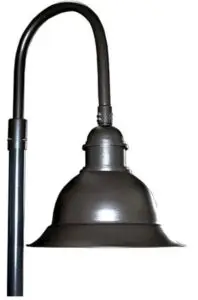
Bell series
Brand: Crystal
20″ Medium, 25″ Large; 40/50/60/80/100/120
150/180/200W, Prices start at $700.
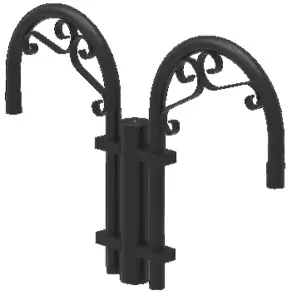
Decorative Arms
Brand: Crystal
Single, Double, Wall Mount; decorative arms; Made In USA
Prices start at $300.
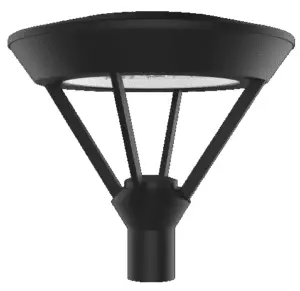
Pulsar series
Brand: Crystal
Architectural Post Mount Luminaire; Walkways, Perimeters, Campuses, Parking Lots, Parks; Dark Sky Friendly Compliance; 10 Year warranty;
20/40/50/70/85/100/150/200W.
Prices Start at $600.
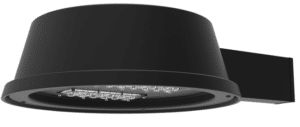
Portland
Brand: Crystal
Small Architectural Area Luminaire; Wall, Pendant, Arm, Catenary, and Post Top Mounts; Dark Sky Friendly Compliance; 10 Year warranty;
20/40/50/60/70/80/120W
Prices Start at $550.
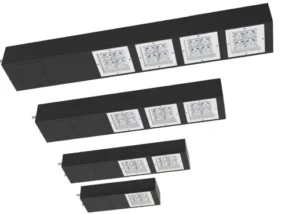
Lynx
Brand: Crystal
Architectural LED Luminaire and Square Pole combo; 20/40/50/60/70/80/100/120/160
180/200W;8FT/10FT/12FT/15FT
18FT/20FT; Prices start at $1550.
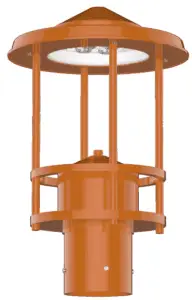
CLP-MP
Brand: Crystal
architectural outdoor fixtures; Heavy Duty Aluminum Body, Clear Tempered Glass; Dark Sky; 5/10/15/20/30W;
Prices start at $550.
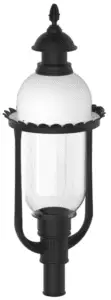
X47
Brand: Crystal
Sophisticated and unique design, this large luminaire is ideal for illuminating entrances, walkways; 49 1/2″ height; 20/40/50/60/70W; Prices start at $450.

M56
Brand: Crystal
LED post top luminaire with a distinctive design; 35/75/90/120W;
Prices start at $500.
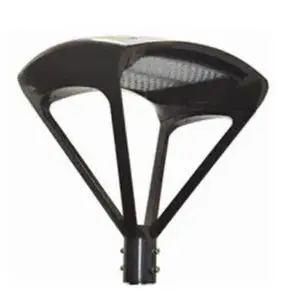
TP500
Brand YaoRong
Post Top LED area light for parking lots, plaza lighting, shopping mall, garden, roadwa; Dimmable; up to 30,250 LM; 50/100/150/200/300W. Prices start at $450.
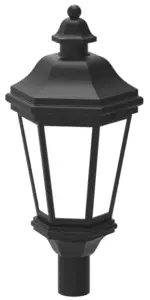
CLP-257
Brand: Crystal
A premium luminaire; up to 17,951 lumens; 42/84/97/129W;
10-year warranty. Prices Start at $600.
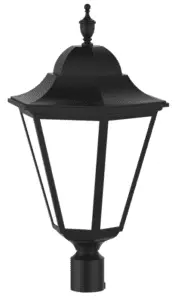
D323
Brand: Crystal
in a historical design; wide light distribution; Dark Sky Compliant;
Two sizes – 18″ and 29″ Post Top, Wall, Pendant Mount; 5/10/20/30/35/40W;
Prices start at $550.
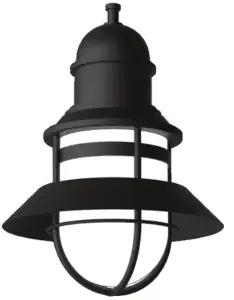
205B series
Brand: Crystal
The Teardrop luminaire; post or pendant mount, Small or Large versions; up to 15,561 lumens;
45/55/65/75/85/105W;
Prices start at $500.
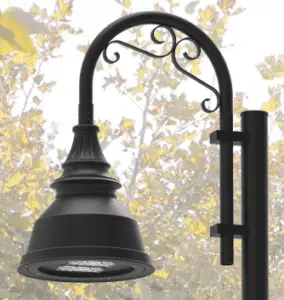
Aurora Bell
Brand: Crystal
architectural area lighting; 20″ Bell luminaire; 40W/50W/60W/80W/
100W/120W/150W; Prices start at $748.
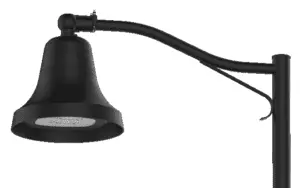
Mission Bell
Brand: Crystal
architectural area lighting; 25″ Bell Luminaire; designed for roadway lighting; mast arms – 48″, 60″, 72″;
40/50/60/80/100/120W;
Prices start at $1000.
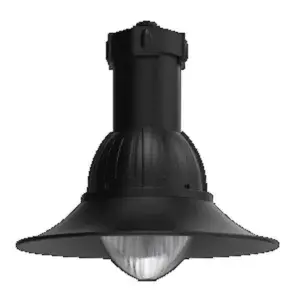
Seattle
Brand: Crystal
architectural decorative downlight luminaire, Aluminum spun shade, and an acrylic teardrop refractor Lens; Roadway mast arms; 20/40/50/60/80W; Prices start at $1000.
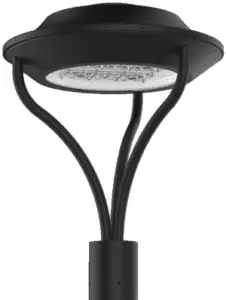
5001 series
Brand: Crystal
Dark Sky compliant;
up to 24,500l lumens; 25/45/55/65/ 80/200W. Prices start at $550.
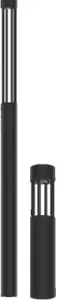
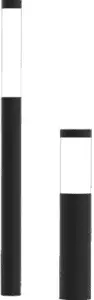
Astral series
Brand: Crystal
The Astral Column Collection
Modern architectural LED column design combines, style and security; column lighting fixture; ideal for walkways, campuses; Heights; 3 ft, 6 1/2 ft, 7 1/2 ft; 8 1/2 ft; 10 1/2 ft; 12 1/2 ft; 12/25/35/45/50W; Prices Start at $500.
Astral II series
Brand: Crystal
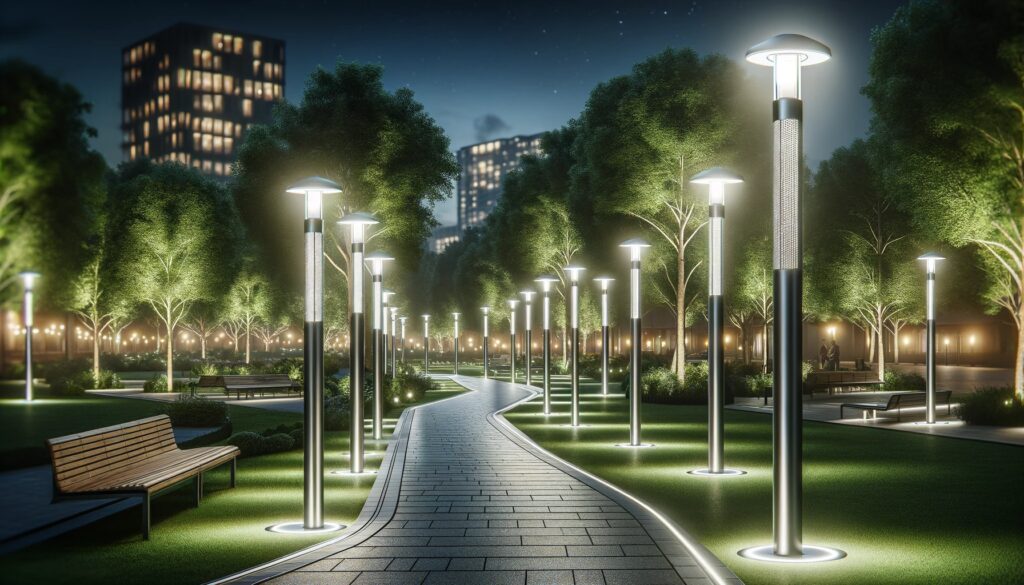
modern architectural LED column design combines, style and security; Hts; 3 ft, 6ft, 7ft; 8ft; 10ft; 12ft; 20/40/60/80/100W; Prices Start at $500.
What Is LED Architectural Area Lighting?
LED architectural area lighting refers to outdoor lighting fixtures designed to illuminate open spaces while complementing the architectural style of surrounding buildings and landscapes. These lighting systems integrate functionality with design, ensuring that outdoor environments remain both well-lit and visually appealing.
Architectural area lighting differs from purely utilitarian lighting because it is intentionally integrated into the overall design of the environment. Fixtures may be selected to match architectural themes, highlight landscaping, or create inviting pedestrian environments across plazas, campuses, and urban districts.
Modern pole-mounted luminaires provide efficient illumination for walkways, parks, and commercial landscapes. Learn more about the advantages in our article on the benefits of LED lamp post lights for outdoor spaces.
These lighting systems often combine multiple lighting techniques, including pathway illumination, façade lighting, and accent lighting, to create balanced outdoor environments that are safe, visually engaging, and energy efficient.
Commercial properties seeking dramatic façade or landscape lighting may also incorporate RGBW Flood Lights to highlight architectural features.
With modern LED technology, architectural area lighting provides long operational life, precise light distribution, and improved energy efficiency compared with older lighting technologies.
Common Applications for Architectural Area Lighting
Architectural area lighting is commonly used in environments where outdoor lighting must enhance both visibility and aesthetics.
Pedestrian walkways and landscaped environments often use LED Architectural Post Top Lighting to complement plaza and courtyard lighting.
Typical installations include:
-
Commercial plazas and retail developments
-
Corporate campuses and office parks
-
Municipal streetscapes and downtown districts
-
Hotels, resorts, and hospitality properties
-
Universities and public campuses
-
Parks, courtyards, and landscaped environments
-
Mixed-use developments and pedestrian corridors
These environments require lighting systems that maintain comfortable visibility while contributing to the overall design of the property.
Key Design Considerations
Selecting architectural area lighting involves evaluating several important design factors.
Fixture Design
Architectural area fixtures are often chosen to complement building materials, landscape features, or urban design themes.
Mounting Height
Architectural area lights are commonly installed on poles between 12 and 25 feet depending on the environment and lighting requirements.
Light Distribution
Optical distribution patterns help control how light spreads across plazas, walkways, and open gathering areas.
Outdoor lamp posts are widely used to illuminate pathways, parks, and commercial landscapes. Learn more about their benefits in our guide on seeing in the dark with an outdoor lamp post.
Glare Control
Well-designed architectural lighting reduces glare and light spill to maintain comfortable nighttime visibility.
Energy Efficiency
LED technology allows architectural lighting systems to deliver consistent illumination while significantly reducing energy consumption.
Many lighting problems result from poor fixture placement rather than inadequate fixture output. Learn how professionals design effective systems in our LED Area Lighting Layout Guide.
Architectural Area Lighting vs Area Lights vs Flood Lights
| Feature | Architectural Area Lighting | LED Area Lights | LED Flood Lights |
|---|---|---|---|
| Primary Purpose | Decorative site illumination | Functional large-area lighting | Directional high-output lighting |
| Lighting Style | Architectural / aesthetic | High-output site lighting | Focused beam lighting |
| Mounting Location | Decorative poles or plazas | Tall poles for parking lots | Poles or building mounts |
| Typical Environments | Plazas, campuses, courtyards | Parking lots, industrial sites | Security zones, large yards |
Large parking areas or industrial facilities that require strong uniform illumination often utilize LED Area Lights mounted on taller poles.
Technical Specifications
Typical commercial LED architectural area lighting fixtures include:
Wattage Range
30W – 200W
Lumen Output
3,000 – 25,000 lumens
Voltage Options
-
120–277V standard
-
277–480V commercial installations
Color Temperature
-
3000K (architectural environments)
-
4000K (commercial properties)
-
5000K (high visibility areas)
Color Rendering Index
70+ standard
80+ optional
Ingress Protection
IP65 or higher
Housing Construction
-
Die-cast aluminum
-
Architectural powder-coat finishes
-
UV-resistant lenses
Control Options
-
Photocells
-
Motion sensors
-
0-10V dimming
-
Smart lighting systems
Rated Lifespan
Up to 100,000 hours
Advantages of LED Architectural Area Lighting
LED architectural area lighting offers several benefits for commercial and municipal environments:
-
Enhanced property aesthetics
-
Energy-efficient LED illumination
-
Uniform lighting across pedestrian environments
-
Reduced maintenance requirements
-
Durable outdoor construction
-
Improved nighttime visibility and safety
These fixtures help create visually appealing outdoor environments while maintaining reliable illumination for visitors and pedestrians.
Inline Buyer Q&A
How do I choose the right architectural area light for a commercial property?
Start with the type of space being illuminated, mounting height, required light levels, fixture spacing, architectural style, optical distribution, color temperature, controls, and surrounding environment.
For campuses, plazas, courtyards, multifamily properties, parks, and commercial developments, fixture appearance should be considered alongside photometric performance so the lighting complements the property without sacrificing usable illumination.
What information should I provide when requesting architectural area lighting?
Helpful project information includes site plans or dimensions, pole locations, mounting heights, fixture quantities, existing or proposed pole styles, voltage, desired color temperature, control requirements, and photographs or architectural drawings when available.
For retrofit projects, existing fixture and pole information can also help determine compatible replacement options.
Should architectural area lights match other outdoor fixtures?
They often should coordinate with surrounding lighting rather than necessarily being identical. Architectural area lights can be selected to complement bollards, post-top fixtures, wall-mounted luminaires, pathway lights, and other exterior fixtures through similar shapes, finishes, color temperatures, and design characteristics.
This can create a more visually cohesive lighting system across the property.
Do architectural area lighting projects need a photometric layout?
For larger campuses, plazas, commercial developments, multifamily properties, and other complex sites, photometric planning is highly recommended. A lighting layout can help evaluate mounting height, fixture spacing, optical distribution, light levels, uniformity, and potential spill light before installation.
Simple one-for-one retrofit projects may not always require a complete photometric study.
Can architectural area lighting include controls?
Yes. Depending on the fixture and project, architectural area lighting can incorporate photocells, dimming, scheduling, occupancy-based controls, and centralized lighting-management systems.
Controls can reduce unnecessary energy use while allowing illumination levels and operating schedules to better match how outdoor spaces are actually used.
Ready to Plan Your Architectural Outdoor Lighting System?
Architectural area lighting should do more than illuminate an outdoor space. The right system combines controlled light distribution, appropriate illumination levels, energy efficiency, architectural compatibility, and reliable commercial construction to create outdoor environments that remain functional and visually cohesive after dark.
Whether you’re lighting a university campus, commercial plaza, multifamily property, municipal park, courtyard, pedestrian area, or mixed-use development, our lighting specialists can help evaluate fixture styles, mounting heights, optics, light output, controls, and photometric requirements.
👉 Explore our LED Architectural Area Lighting solutions or call 1-844-533-7767 to discuss your commercial outdoor lighting project.
Frequently Asked Questions
What is architectural area lighting?
Architectural area lighting refers to outdoor lighting designed to provide functional illumination while coordinating with the architecture, landscape, and visual character of a property.
Fixtures may combine decorative or contemporary designs with controlled LED optics to illuminate pedestrian spaces, gathering areas, roadways, plazas, and other commercial outdoor environments.
Where is architectural area lighting commonly used?
Architectural area lighting is commonly used throughout campuses, plazas, parks, courtyards, multifamily communities, hospitality properties, municipal spaces, pedestrian areas, and commercial or mixed-use developments.
What is the difference between architectural lighting and standard area lighting?
Both can provide functional outdoor illumination. Architectural area lighting places additional emphasis on fixture appearance and integration with the surrounding property, while conventional area lighting may prioritize output, coverage, efficiency, and utility.
The distinction is not absolute—many modern commercial fixtures combine architectural design with high-performance optical systems.
Are LED architectural lighting fixtures energy efficient?
They can be highly energy efficient when properly selected for the application. LED technology allows commercial fixtures to provide controlled light distribution with lower energy consumption than many older HID systems.
Actual savings depend on fixture wattage, existing equipment, operating hours, controls, and lighting-system design.
Can architectural area lighting be used in parking lots?
Yes, when the fixture provides the required output, optical distribution, mounting capability, and lighting performance for the parking environment.
Large parking facilities or sites requiring broader coverage may be better served by purpose-designed commercial area or parking-lot fixtures. Photometric analysis can help determine the appropriate fixture type for the property.
How should architectural area lighting coordinate with pedestrian lighting?
Area lighting can provide broader site illumination while bollards, post-top fixtures, and other pedestrian-scale luminaires provide more localized lighting along walkways, gathering areas, entrances, and landscaped spaces.
Coordinating these fixture types can help create a layered outdoor lighting system with consistent color appearance and architectural character.
Stay Connected with Our Lighting Resources
Add IndustrialLightingFixtures.org as a Preferred Source on Google to see more of our lighting guides and technical resources across Google Search experiences.

Related Architectural & Outdoor Lighting Resources
Explore these related resources for planning a coordinated commercial outdoor lighting system:
- Outdoor LED Lighting Guide — Review commercial outdoor lighting strategies, fixture selection, applications, controls, and design considerations for exterior properties.
- LED Area Lighting — Explore commercial area-lighting solutions for parking areas, roadways, campuses, commercial developments, and other large outdoor spaces.
- Commercial LED Post Top Fixtures — Review pedestrian-scale and decorative post-top lighting for campuses, parks, plazas, multifamily communities, and architectural environments.
- LED Bollard Lighting Guide — Explore low-level pedestrian lighting for pathways, entrances, courtyards, landscaped areas, and commercial developments.
- LED Courtyard Post Lighting — Review architectural post lighting for courtyards, plazas, hospitality properties, pedestrian environments, and commercial gathering spaces.