
LED aircraft warning lights and aviation obstruction lights are used to mark towers, buildings, cranes, wind turbines, industrial structures, and other elevated obstacles where aviation marking or lighting is required.
Available equipment includes low-, medium-, and high-intensity LED obstruction lights, red and white warning lights, dual-light configurations, solar-powered obstruction lights, controls, monitoring equipment, and specialized fixtures for demanding industrial environments.
Selecting the appropriate aircraft warning light depends on the structure, project location, required FAA or aviation-authority light designation, operating mode, voltage or power source, mounting, controls, monitoring, and environmental conditions.
Need Aircraft Warning or Aviation Obstruction Lights?
Not sure which fixture matches your project? Send us the structure type, height, project location, required FAA or aviation light designation when known, quantity, voltage or solar-power requirements, mounting information, controls or monitoring requirements, and project specifications.
Explore Aircraft Warning Lights Below | Request a Quote
Or call 844-533-7767 for aviation obstruction-lighting assistance.
LED Aircraft Warning Lights
Ensure the safety of aircraft and compliance with FAA regulations using our reliable aviation obstruction lights and aircraft warning lights. Proper obstruction lighting depends on structure height, location, operating environment, and the required aviation marking system. Our guide to LED aircraft warning lights explains the key considerations when evaluating obstruction lighting for towers, buildings, industrial structures, and other aviation hazards.
Low-Intensity Obstruction Lights
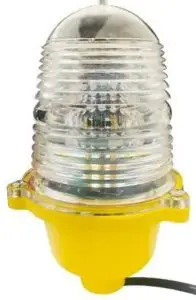
ZL Single
Brand: Plusafe
L-810 Low-Intensity; Steady burning; Flash available;Red color; Photocell built-in; 2/3/5/6/10W; 10cd, steady;
ICAO: low intensity type A; FAA:
Prices start at $285.
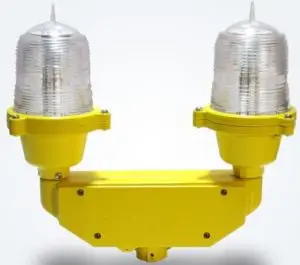
ZL Double
Brand: Plusafe
L-810; Low Intensity Type A/B; 100cd; Double light; auto-transfer to “standby light” in case of “service light” failure;
Prices start at $395.
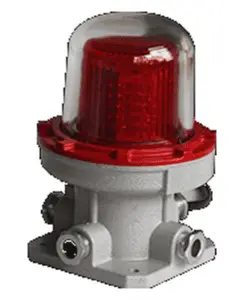
GYZD81
Brand: Crown
Explosion Proof Obstruction Light
Ideal for offshore and onshore in the oil, gas and petrochemical industries, IP66; Low Intensity (GYZD81-I) and
Medium Intensity (GYZD81-II) models; Application: Zone 1, 2 & 21, 22, optional solar panel; Prices start at $250.
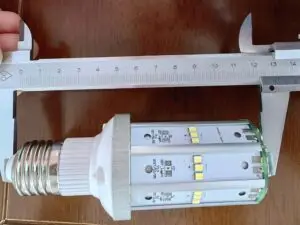
E27 Bulbs
Brand: Plusafe
High Power SMD LEDs; 10cd; 32cd, 50cd, 200cd; Flash frequency 40fpm
Steady burning Adj. switch; Photo Sensor Built-in; Prices start at $85.
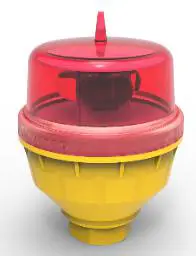
AH-LI-B2
Brand: Anhang
Low-intensity FAA L810 Single
steady burning aviation obstruction
light; Optional NVG; Bird deterrent spike on top; Prices start at $285.
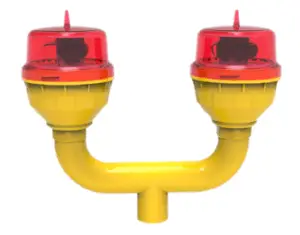
AH-LI-D2
Brand: Anhang
Low-intensity Double light steady burning aviation obstruction light; Main-standby mode even if one light fails; Optional NVG; Bird deterrent spike; Prices start at $395.
Solar Aviation Obstruction Lights
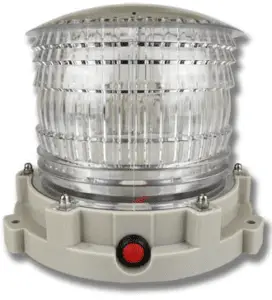
SL10
Brand: Plusafe
Solar Aviation Obstruction Lights
Very portable; Autonomy more than
7 days without sunshine; 1.5Watts
Red, blue, green, yellow, white;
Flash 10 days; Fixed 7 days;
Light intensity: >30cd nighttime;
Output: 360° horizontal;
Prices start at $275.
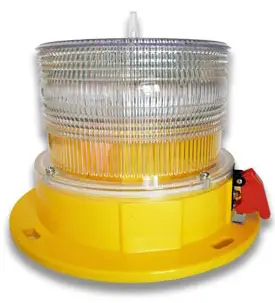
OB
Brand: Plusafe
Solar Aviation Obstruction Lights
solar panel and battery; available 10cd and 32cd type; Prices start at $350.
Medium-Intensity Aviation Obstruction Lights
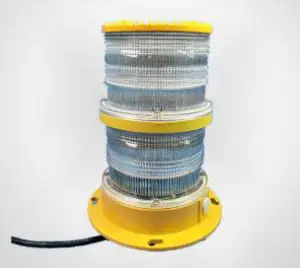
ZL20K-AB
Brand: Plusafe
dual model is a medium intensity
flashing red/white; dual LED obstruction beacon; Prices start at $300.
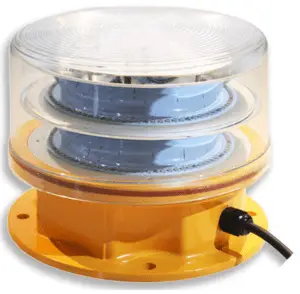
L-865 CM
Brand: Plusafe
White LED Medium Intensity Beacon; designed for 24-hour marking of structures that pose potential aviation hazards; an ideal choice for various tall structures requiring day and night visibility; FAA Type L864; Prices start at $1270.
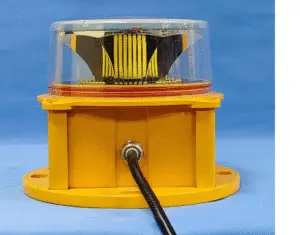
MIOL-AB LED Medium Intensity Beacon
Brand: Plusafe
FAA L-865/864 dual type; Medium Intensity Beacon; 2000cd red flashing nighttime (GPS) Synchronized flashing
Prices start at $550.
High-Intensity Aviation Warning Lights
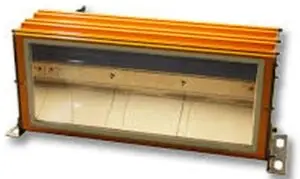
L-856
Brand: Plusafe
High Intensity Aviation Obstruction Lights; FAA L-856/L-857 Type,
ICAO High Intensity Type A/B,
White flashing; Photo sensor device included. Prices start at $400.
Obstruction Lighting Controls and Monitoring
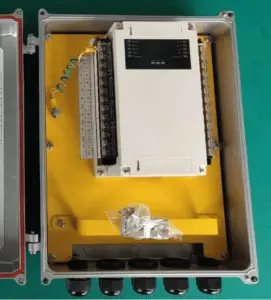
ZL-CB
Brand: Plusafe
designed to manage and monitor obstruction lighting on tall structures
Prices start at $500.
Additional Aviation Marking Equipment
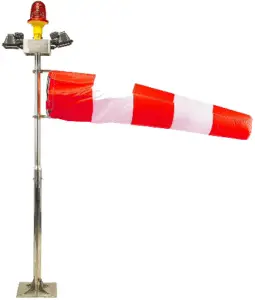
Airport Windsock
Brand: Plusafe
The lighted vane can indicate the
wind direction in the approach and take-off area and make a general indication of the wind speed; Prices start at $1200.
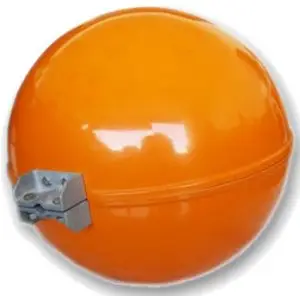
Sphere Power Line Marking
Brand: Plusafe
Aircraft warning sphere power line marking for electricity transmission lines; Orange, Red, White-orange, White-red, White in 400mm or 800mm; Prices start at $395.
Need help understanding low-, medium-, and high-intensity obstruction-lighting systems? See our Aviation Obstruction Lighting Systems Guide.
LED aircraft warning lights and aviation obstruction lighting provide visibility for towers, buildings, wind turbines, cranes, and other elevated structures.
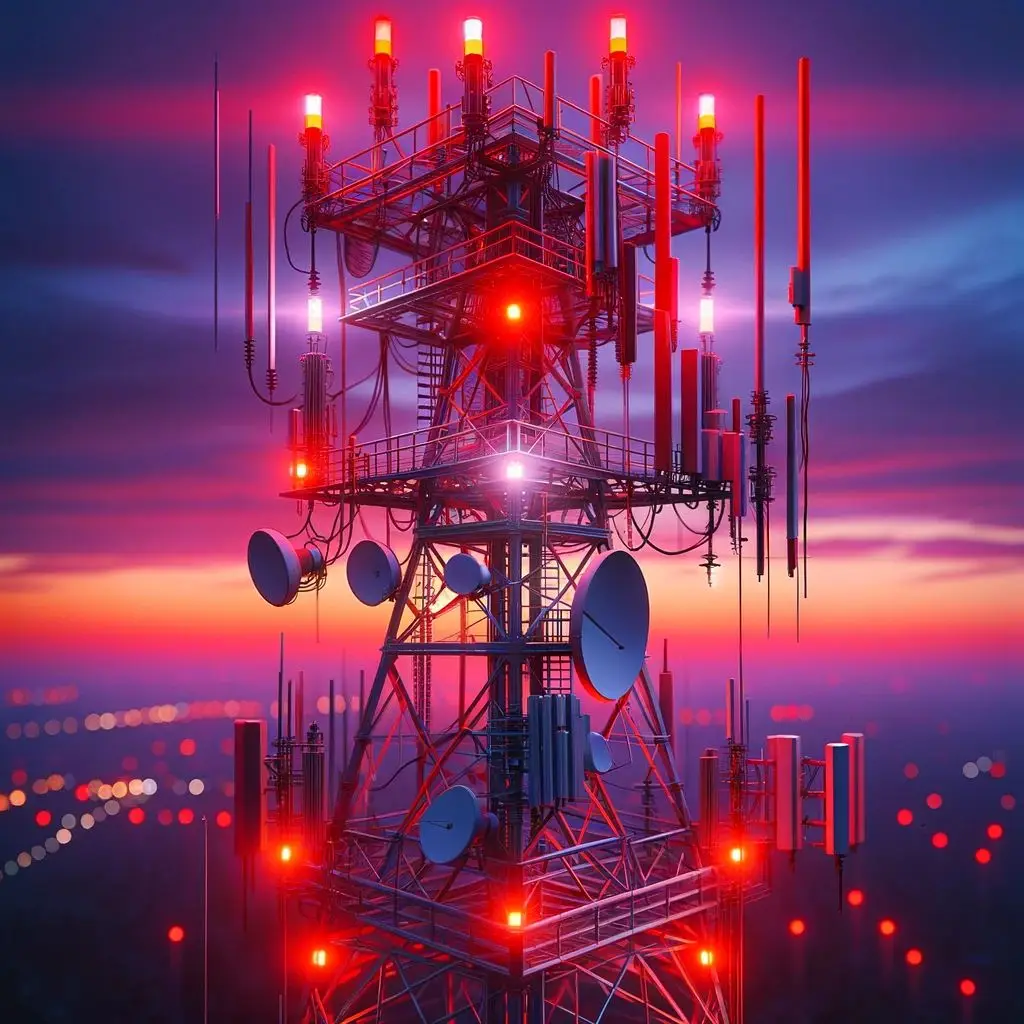
What Are LED Aircraft Warning Lights?
LED aircraft warning lights are aviation obstruction lights installed on towers, buildings, cranes, wind turbines, industrial structures, and other elevated obstacles where aviation marking or lighting is required.
Depending on the application, systems may use low-, medium-, or high-intensity lights with specified colors, operating modes, controls, monitoring, and power equipment.
Learn more about why LED aircraft warning lights are necessary and the role obstruction lighting plays in aviation safety.
Where are Aircraft Warning Lights Used
Aircraft warning and obstruction lights may be used on:
- Communication and broadcast towers
- Buildings and rooftop structures
- Wind turbines
- Construction cranes
- Industrial stacks and process structures
- Utility and transmission infrastructure
- Other elevated structures identified by the applicable aviation determination
Whether obstruction lighting is required and which system applies depends on the structure, project location, surrounding airspace, applicable aviation determination, and project specifications.
How to Select Aircraft Warning and Obstruction Lights
How are aircraft warning lights specified for tall structures?
Start with the applicable aviation determination, project specifications, and required light designation when available. Aircraft warning-light selection can depend on:
-
Structure type and height
-
Project location
-
Required FAA or aviation-authority designation
-
Low-, medium-, or high-intensity requirement
-
Red, white, or dual operating configuration
-
Quantity and mounting locations
-
Input voltage or solar-power requirements
-
Controls and synchronization
-
Monitoring and alarm requirements
-
Backup-power requirements
-
Environmental conditions
-
Existing equipment for retrofit applications
For replacement projects, provide the existing fixture manufacturer and model when possible. For new projects, include the FAA determination, engineering specification, fixture schedule, drawings, or approved-equal requirements when available.
Inline Buyer Q&A
Q: I already have an FAA light designation. Is that enough to request a quote?
A: It is an excellent starting point. Send the required light designation along with quantity, voltage, mounting requirements, project location, and any control or monitoring requirements. If you have an FAA determination, fixture schedule, or engineering specification, include it with the RFQ.
Q: I have an existing obstruction light that needs replacement. What should I send you?
A: Send the existing manufacturer and model number, voltage, required light designation when known, mounting information, and clear photos of the fixture and nameplate. This helps determine whether a direct replacement or compatible LED retrofit is available.
Q: My specification lists a particular manufacturer. Can you quote an approved equal?
A: Send the specification, fixture schedule, required certifications, and specified model number. We can review the requirements and determine whether an alternative product is available that matches the required project criteria.
Q: What if I know the structure and application but not the required aircraft warning light?
A: Send the structure type, height, project location, and any available FAA determination or engineering documents. We can help identify products that match the documented lighting requirements, but the applicable aviation determination should establish which obstruction-lighting configuration is required.
Q: Can you quote a complete obstruction-lighting package rather than individual fixtures?
A: Depending on the project, the RFQ can include obstruction lights along with compatible controls, monitoring equipment, mounting components, and other specified system equipment. Send the complete fixture schedule or project requirements so the components can be reviewed together.
Q: What information will help you quote my project faster?
A: Include the quantity, required light designation, voltage or solar-power requirement, mounting, structure type and height, project location, controls or monitoring requirements, environmental conditions, and requested delivery schedule. Attach specifications, drawings, fixture schedules, or existing equipment information whenever available.
Specify the Right Aircraft Warning Lighting System
Need pricing or help identifying aircraft warning or obstruction-lighting equipment for a project?
Send us the required light designation when known, structure type and height, project location, quantity, voltage or solar-power requirements, mounting information, controls or monitoring requirements, and applicable project documents.
Request a Quote or call 1-844-533-7767 for aviation obstruction lighting assistance.
FAQs About Aircraft Warning Lights
What are LED aircraft warning lights used for?
LED aircraft warning lights are installed on tall structures such as towers, rooftops, cranes, and wind turbines to alert pilots of potential obstructions and reduce collision risk.
Do aircraft warning lights need to be FAA compliant?
Yes. In many jurisdictions, obstruction lighting must meet FAA or equivalent aviation authority standards depending on structure height and location.
What is the difference between low, medium, and high-intensity obstruction lights?
Low-, medium-, and high-intensity obstruction lights differ in light output, operating characteristics, equipment design, and intended applications. The required system should be established by the applicable aviation determination and project specifications rather than structure height alone.
Can LED aircraft warning lights withstand harsh weather?
Commercial aviation obstruction lights are engineered with IP-rated enclosures and corrosion-resistant materials for use in coastal, offshore, and industrial environments.
How long do LED aircraft warning lights last?
Most LED aircraft obstruction lights are rated for 50,000+ hours, reducing maintenance compared to legacy incandescent systems.
Are monitoring systems required?
Monitoring requirements depend on the obstruction-lighting system, applicable aviation requirements, project specifications, and operating configuration. Where monitoring is specified, compatible equipment can provide status reporting and identify specified fault conditions
Stay Connected with Our Lighting Resources
Add IndustrialLightingFixtures.org as a Preferred Source on Google to see more of our lighting guides and technical resources across Google Search experiences.
Related Aviation Lighting Solutions
-
Solar Aviation Obstruction Lights — Explore off-grid obstruction lighting for towers, remote structures, and locations where utility power is unavailable.
-
LED Heliport Lighting — Review commercial heliport lighting systems for hospitals, emergency facilities, rooftop heliports, and other landing areas.
-
FAA Heliport Lighting Requirements — Review FAA-oriented guidance for heliport perimeter, approach, windsock, and related lighting requirements.
-
Aircraft Warning & Aviation Lighting Guide — Review obstruction-lighting requirements, applications, system types, and planning considerations.
-
Aviation Warning Light Applications — Learn how obstruction lighting is applied to towers, buildings, cranes, wind turbines, industrial structures, and other aviation hazards.